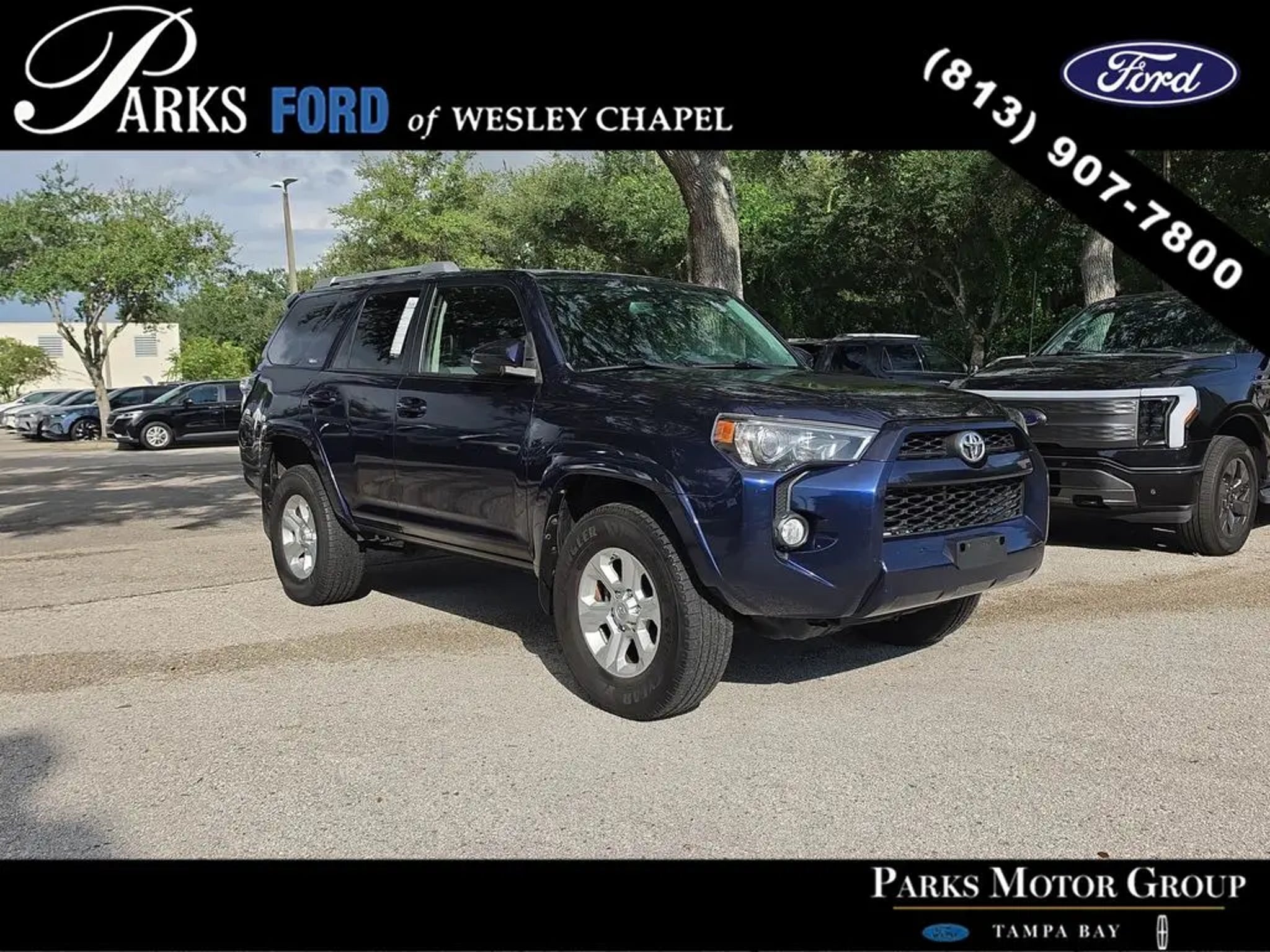
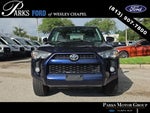
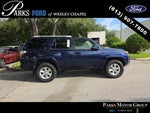
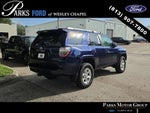
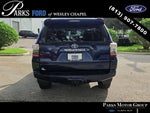
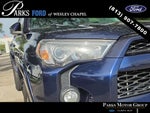
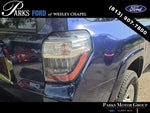
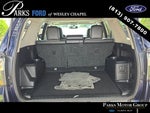
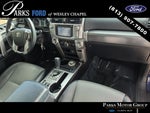
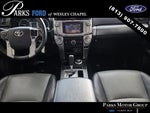
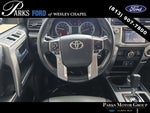
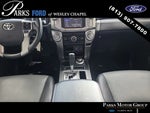
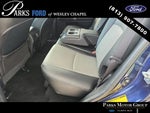
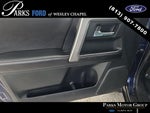
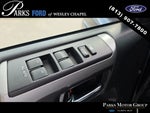
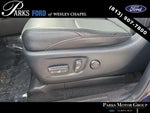
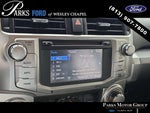
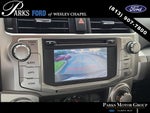
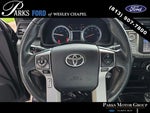
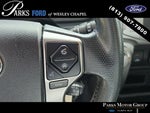
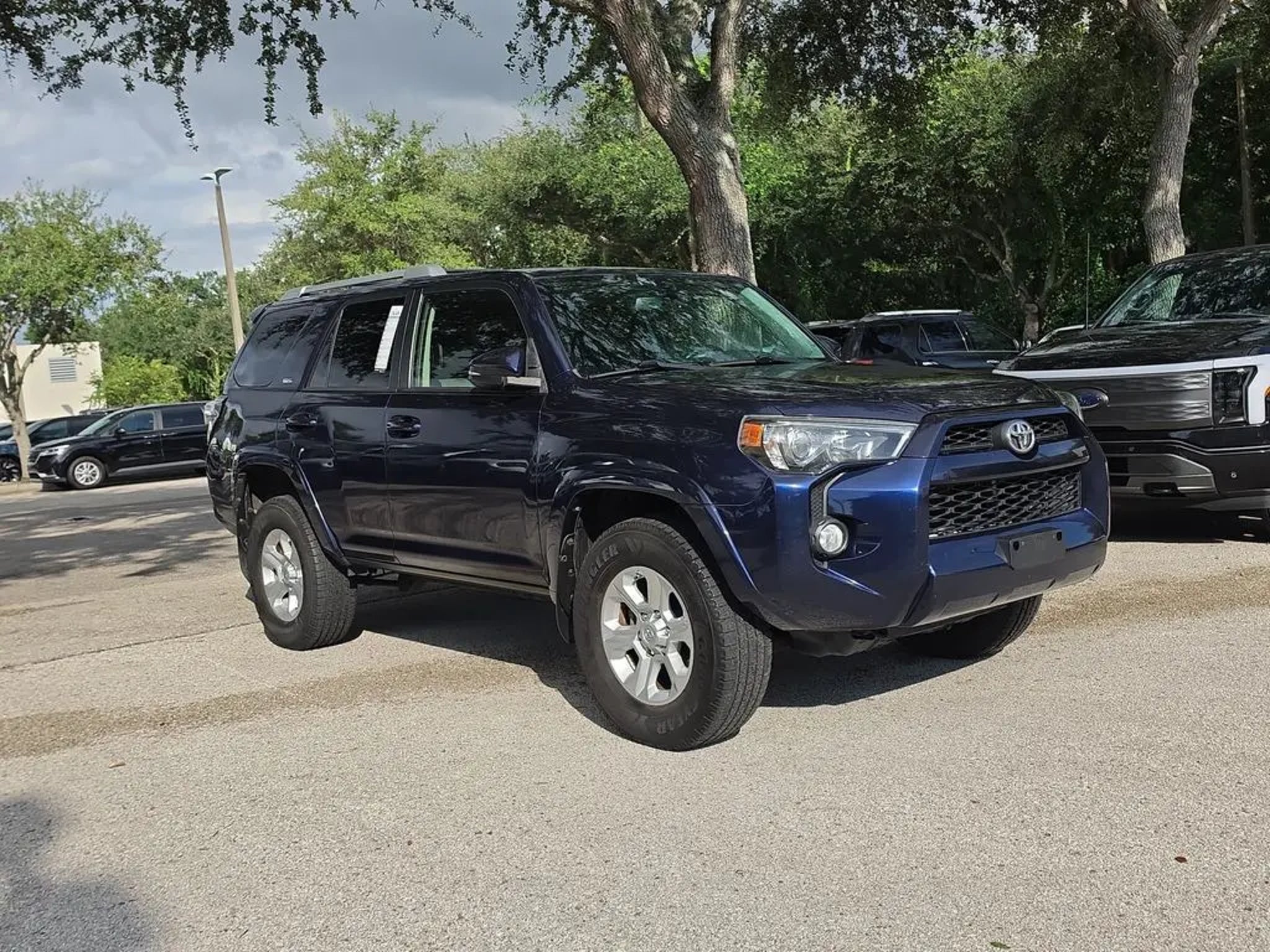
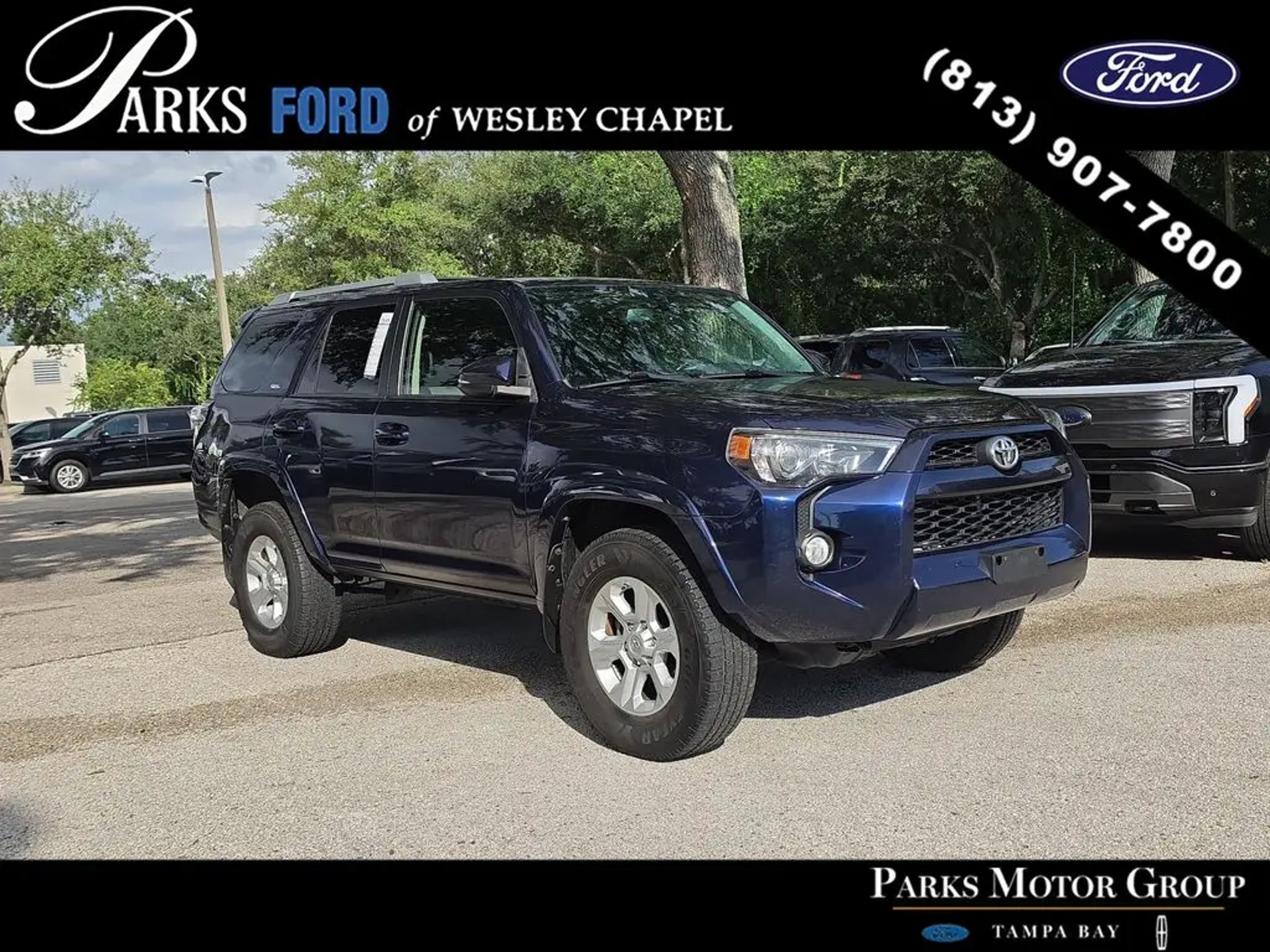
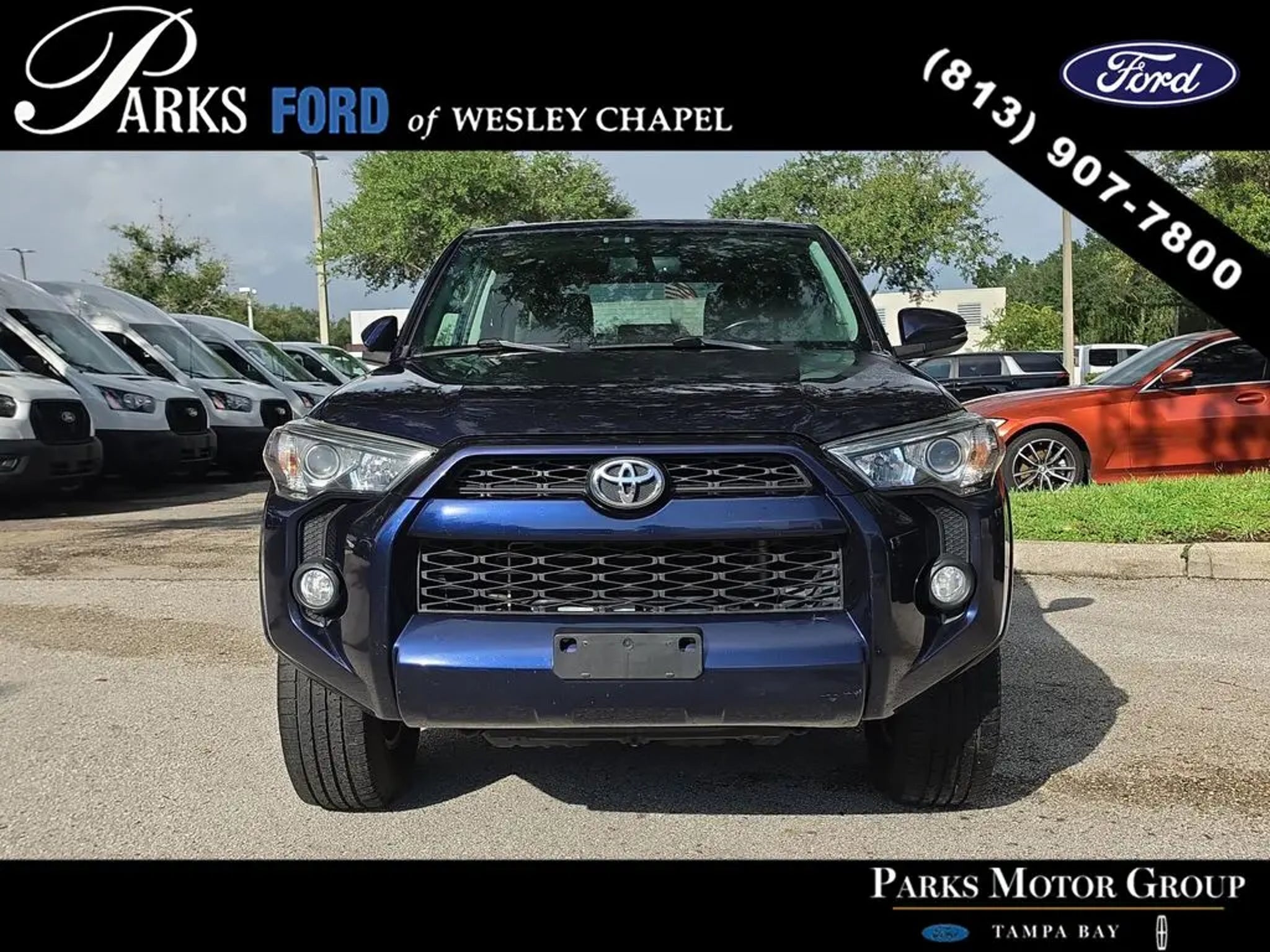
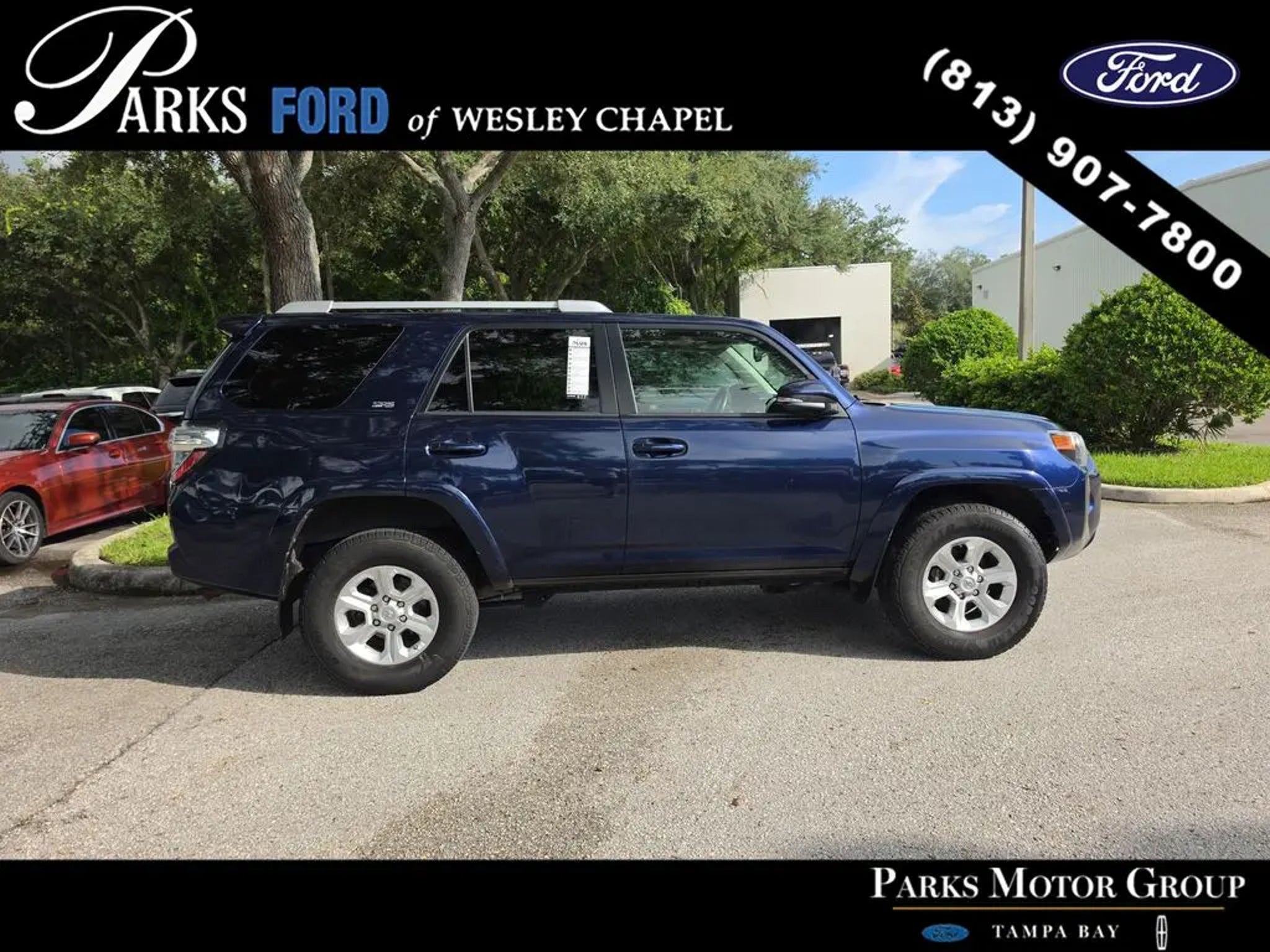
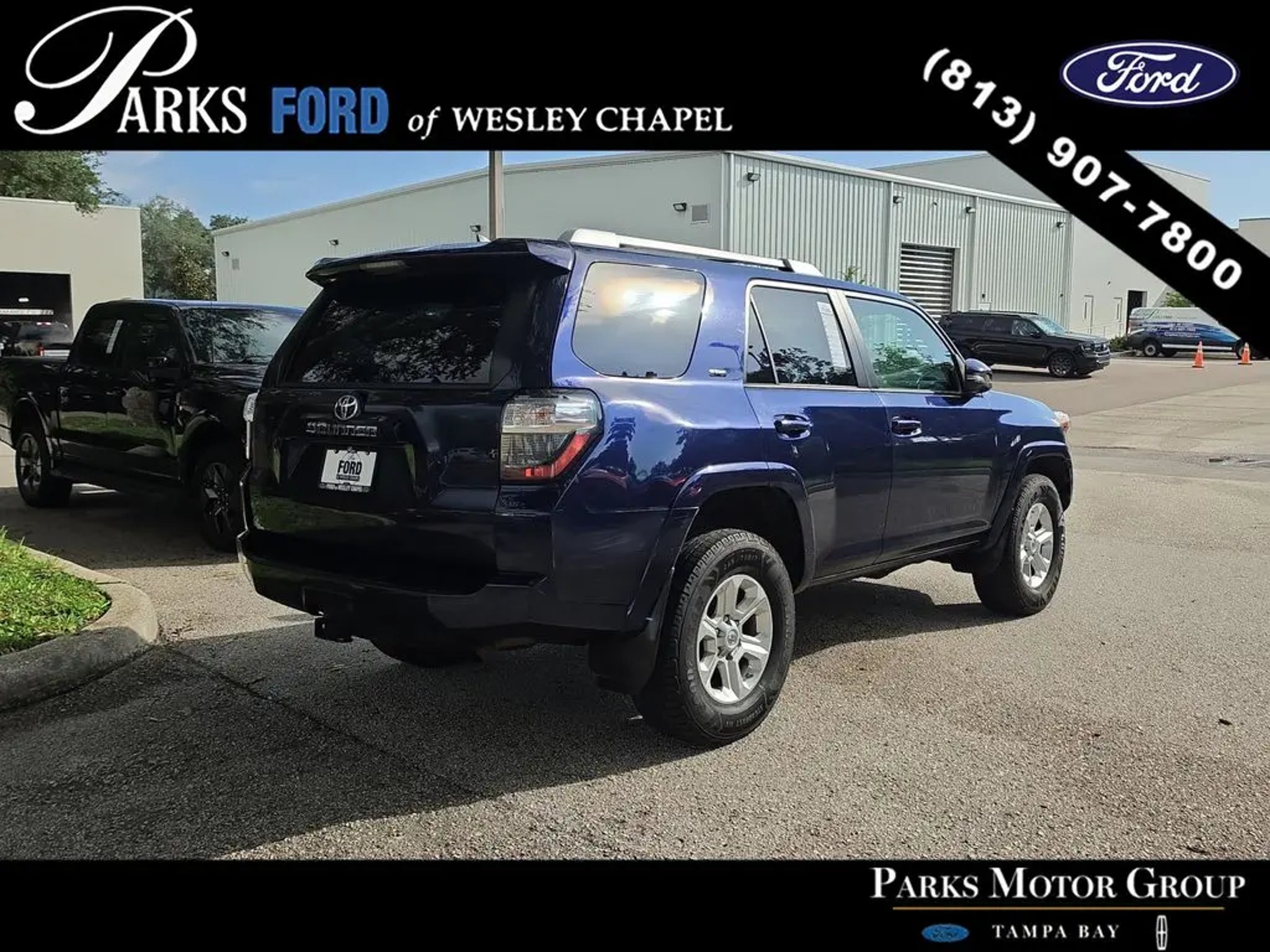
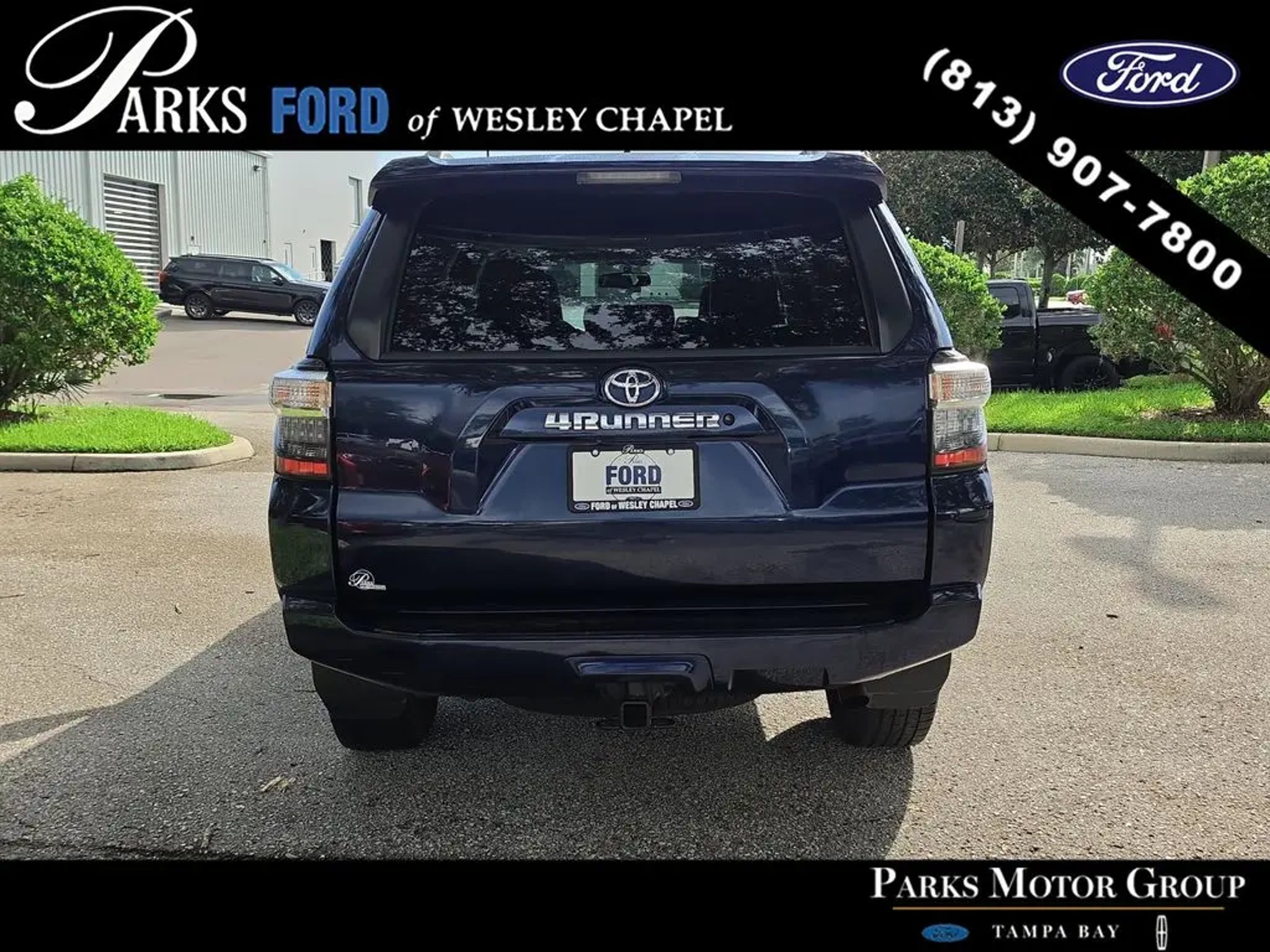
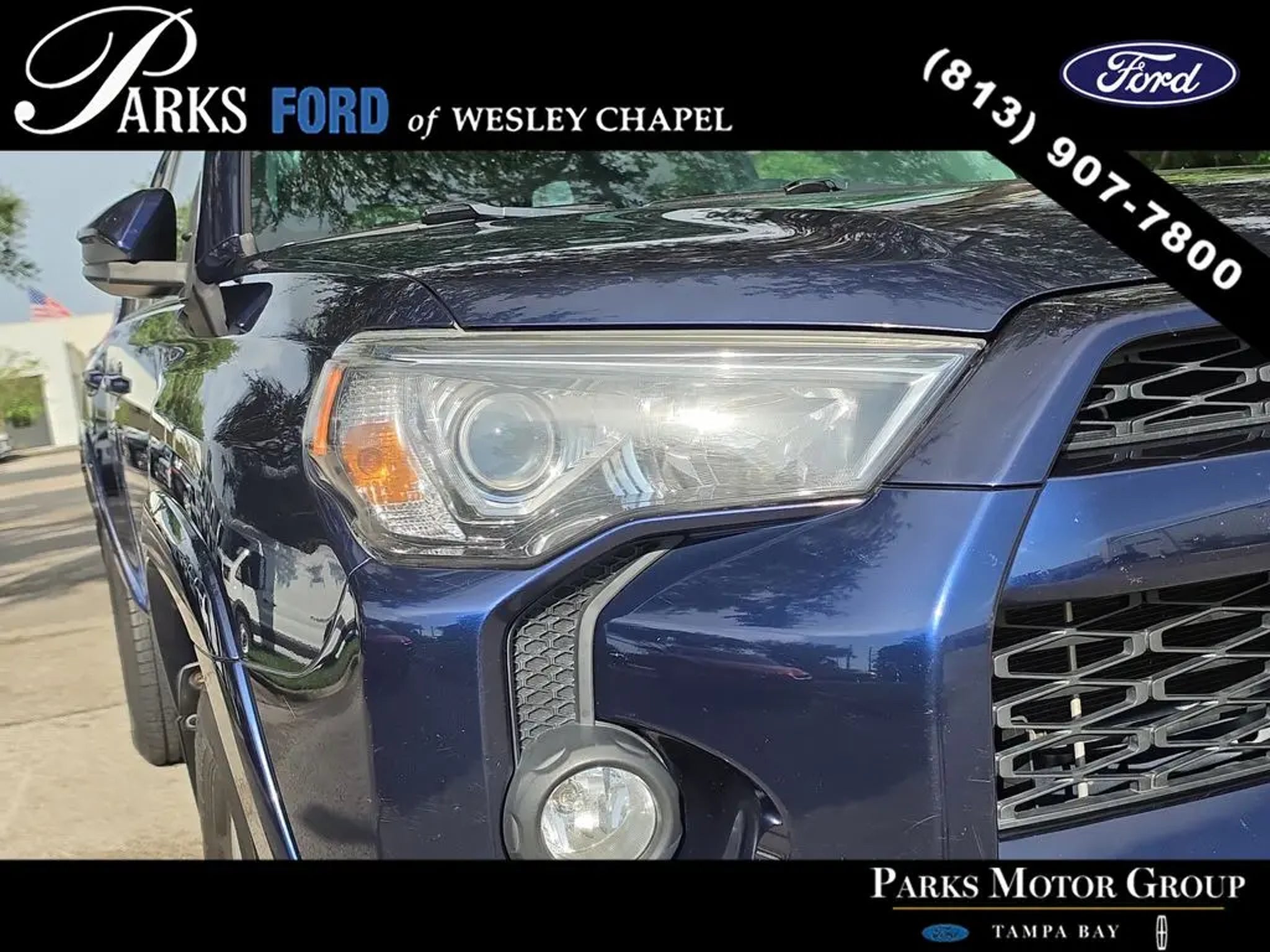
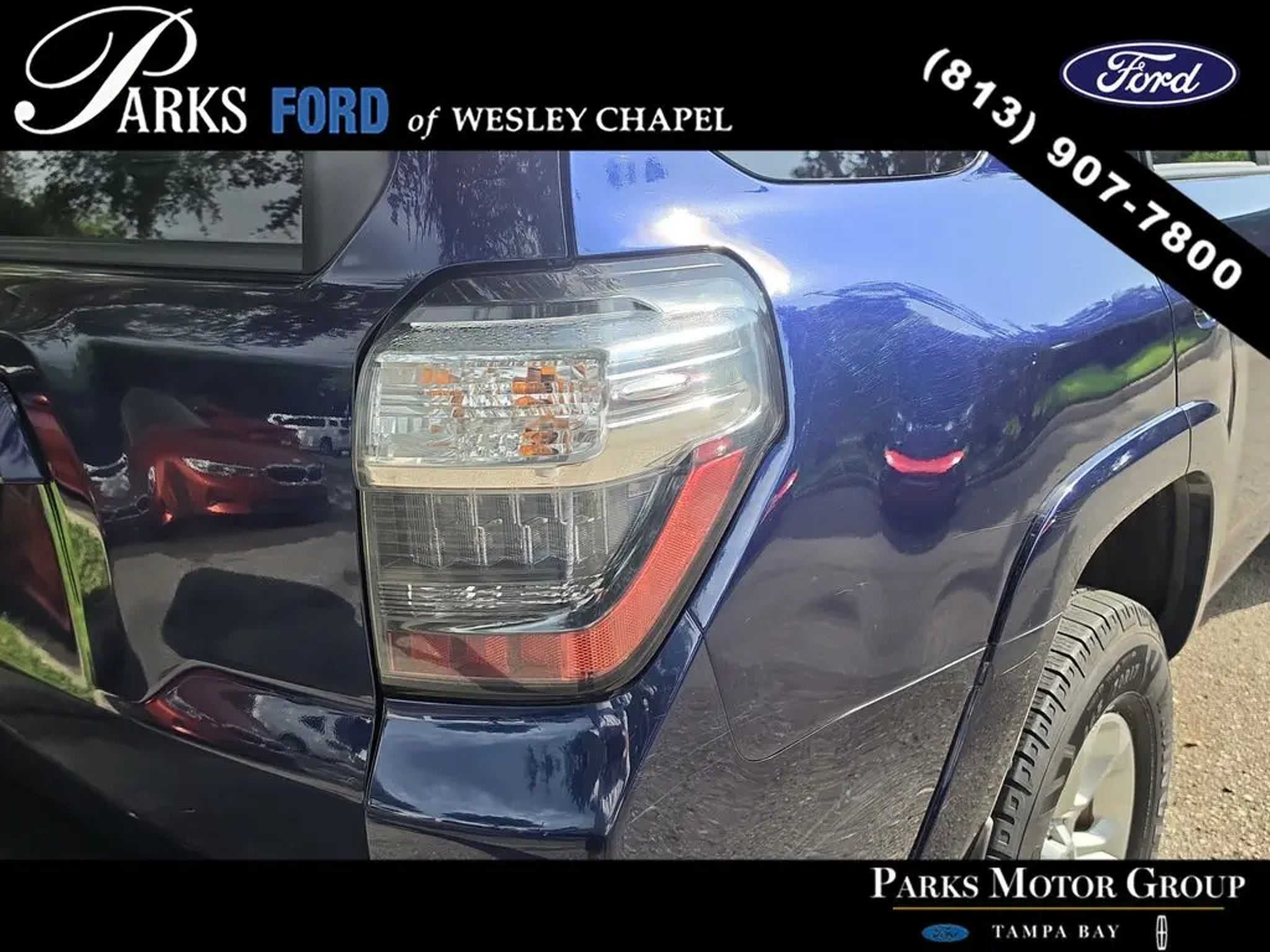
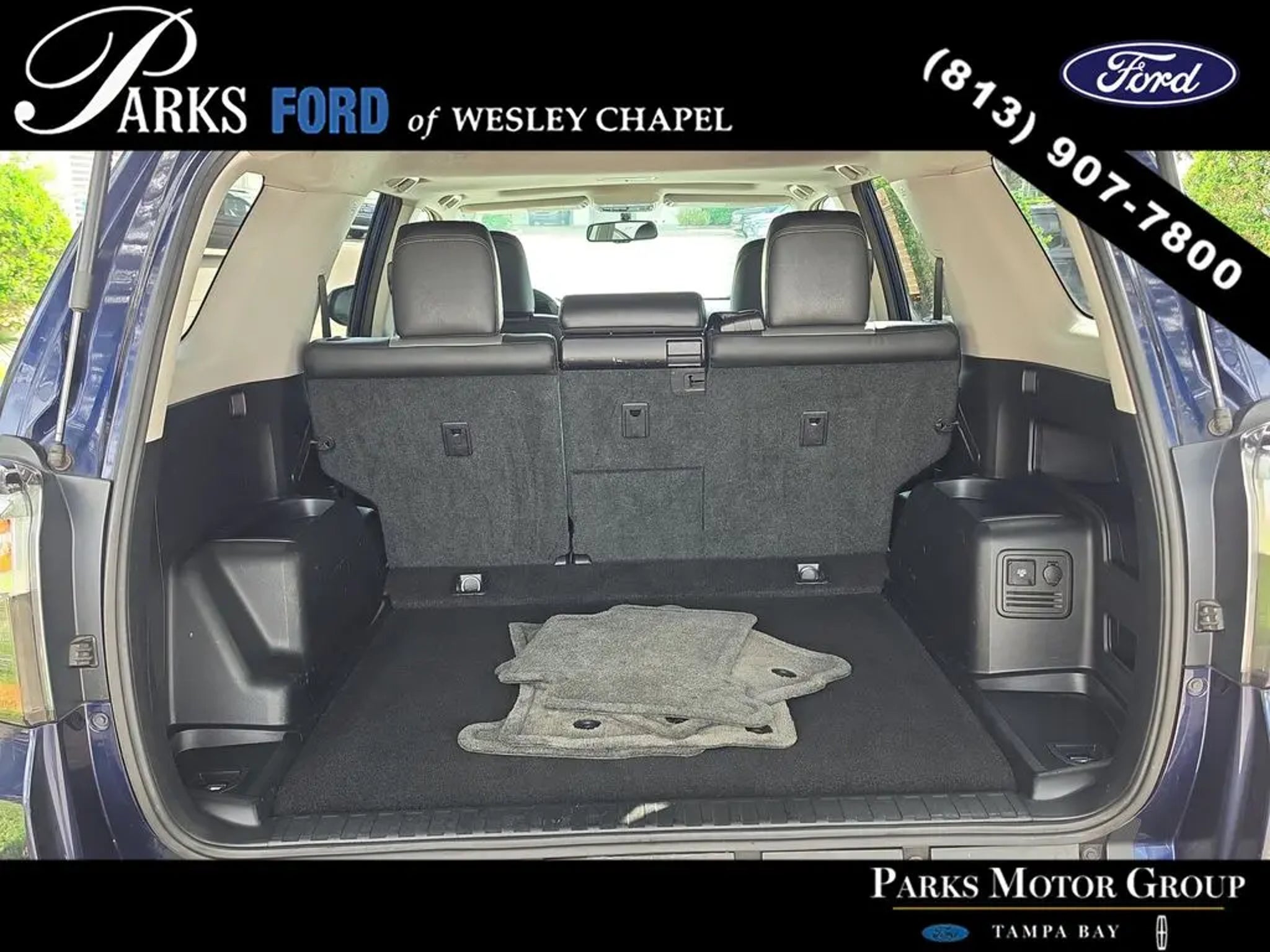
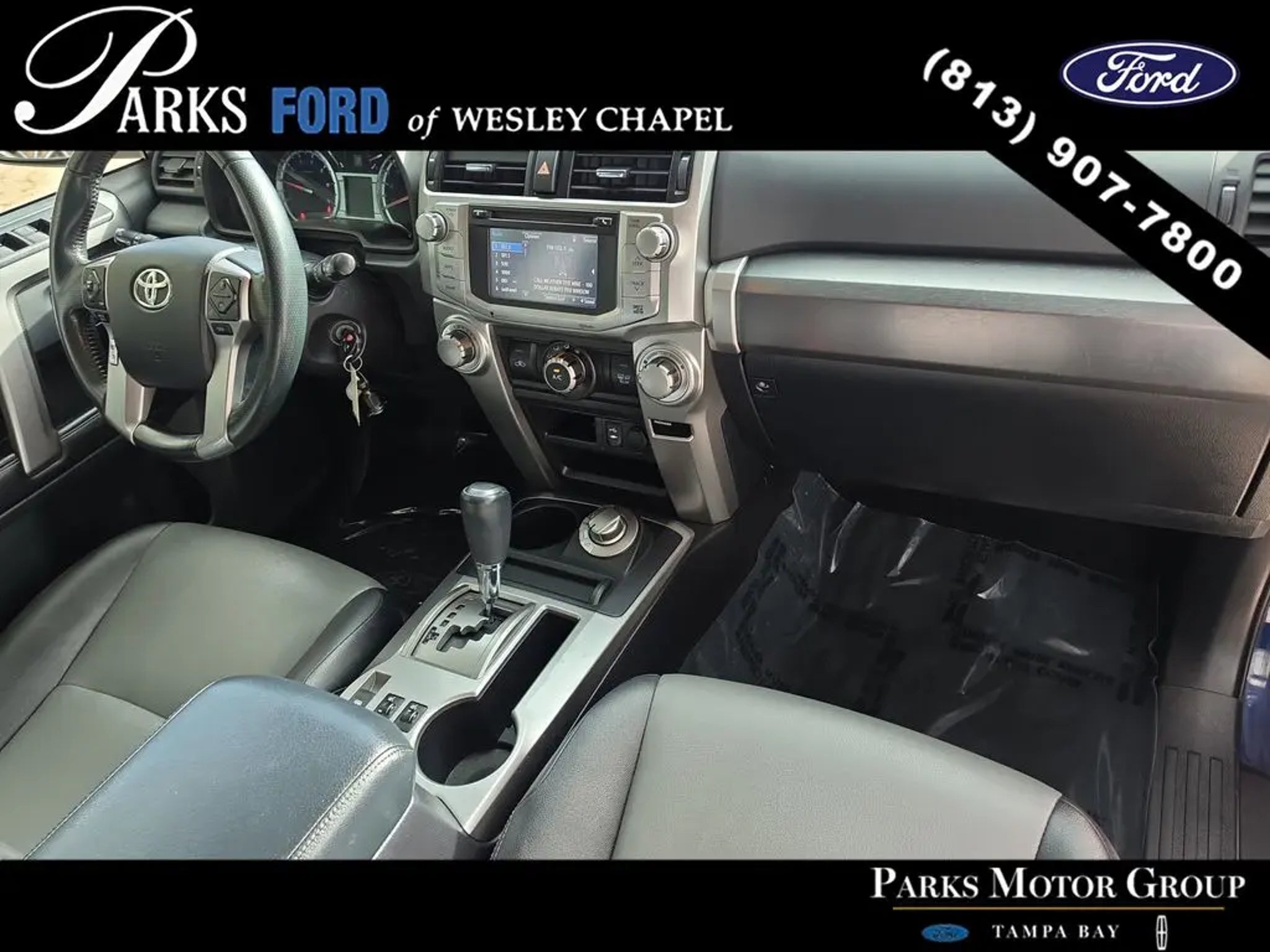
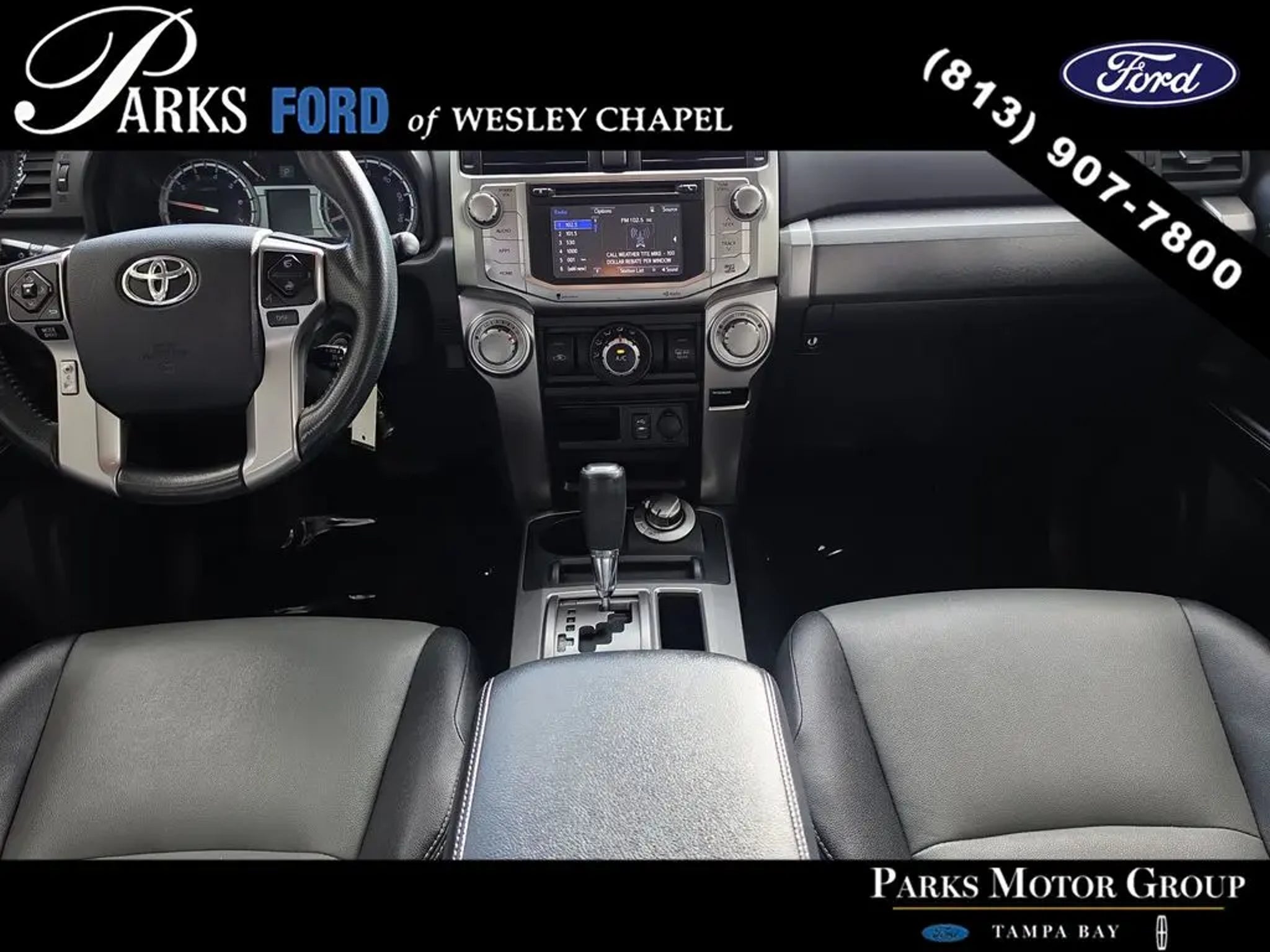
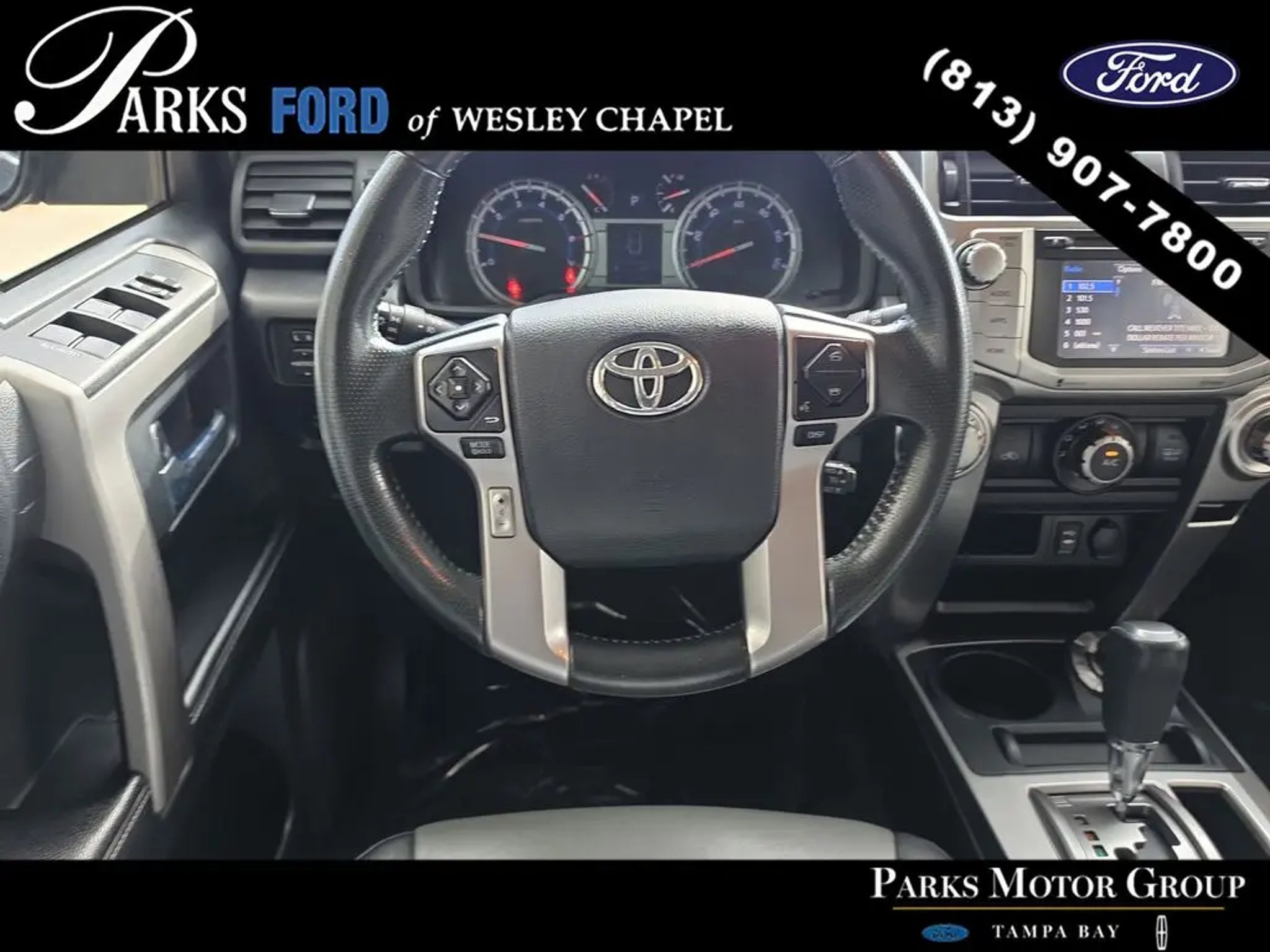
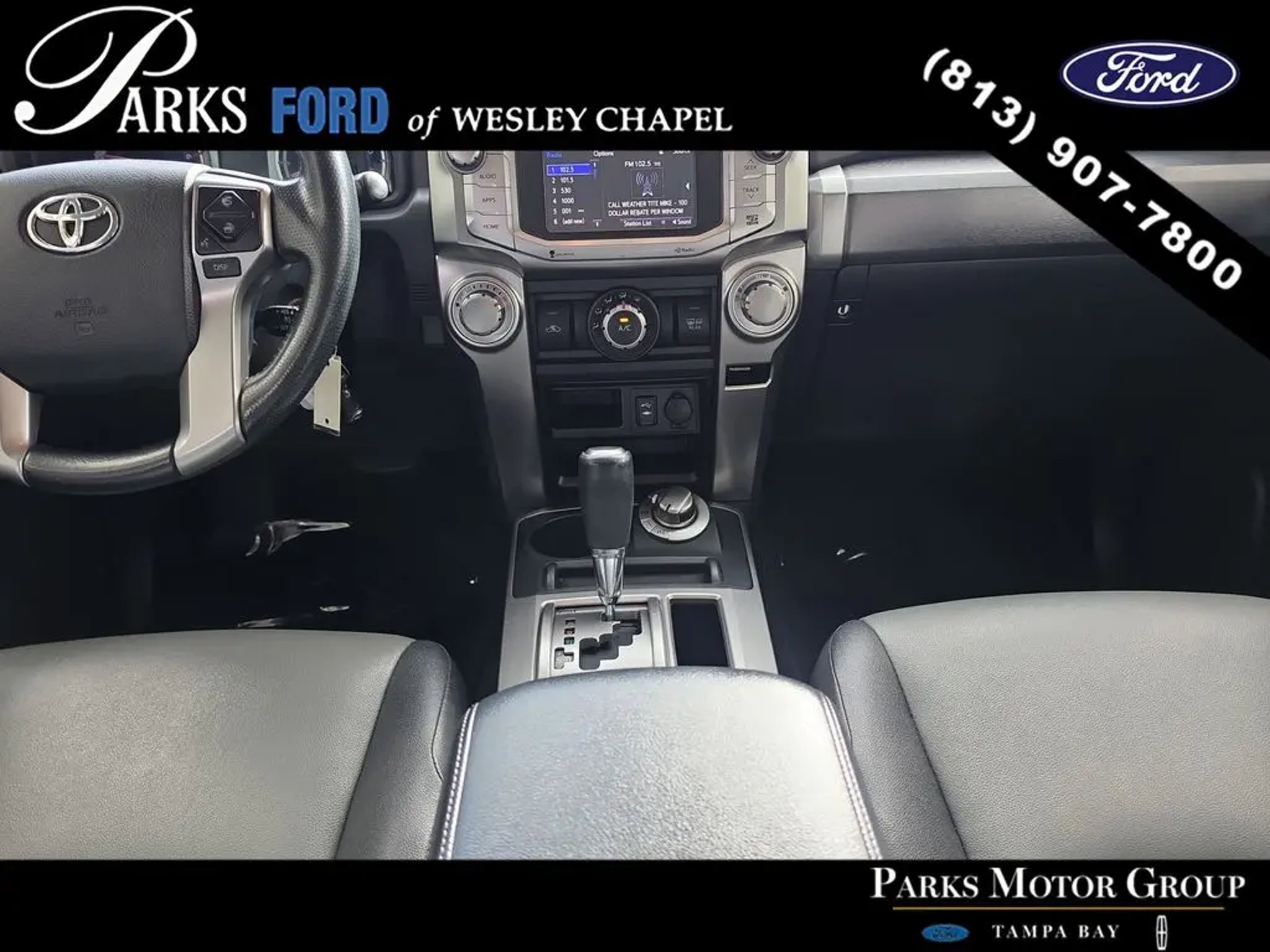
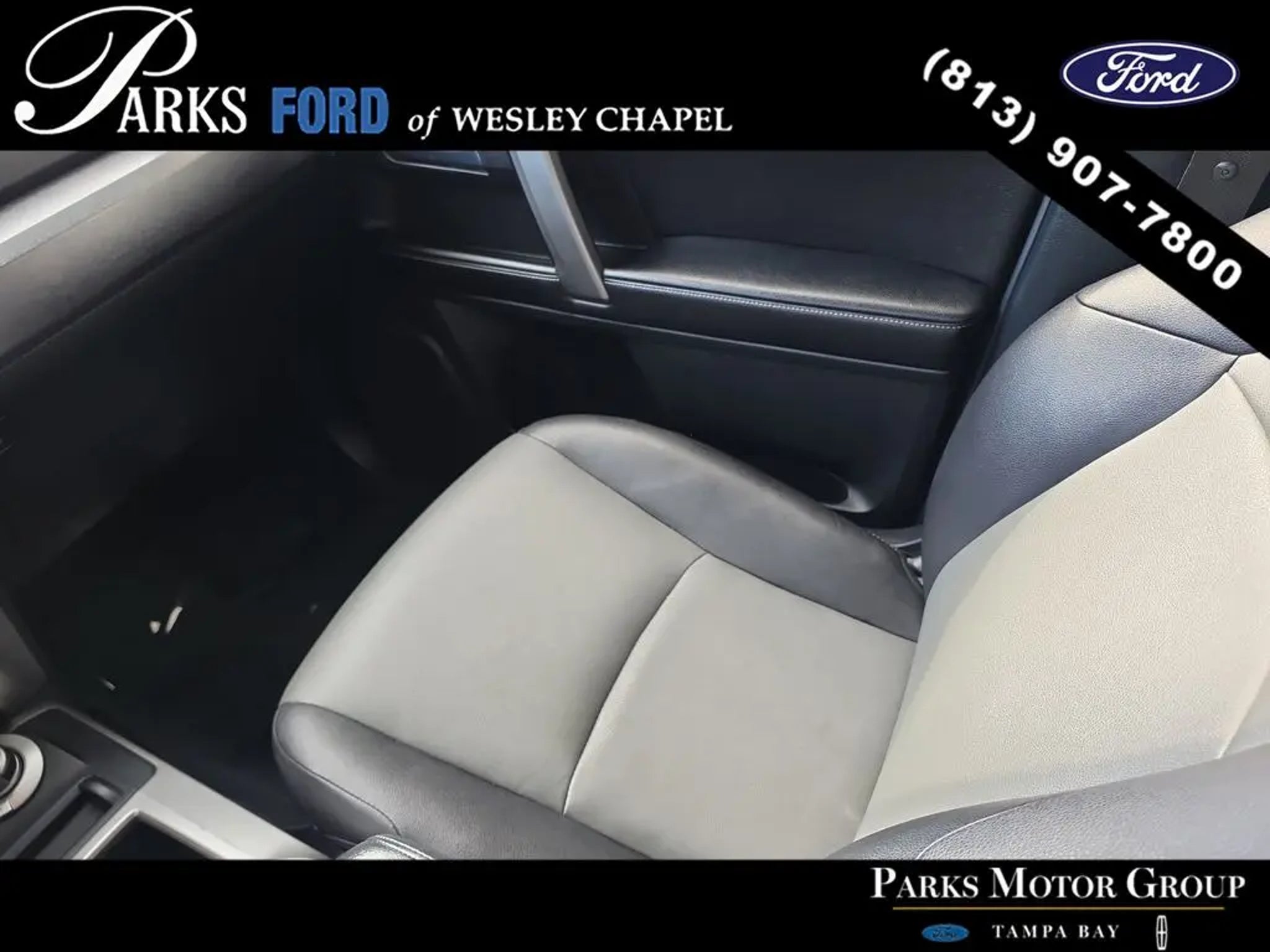
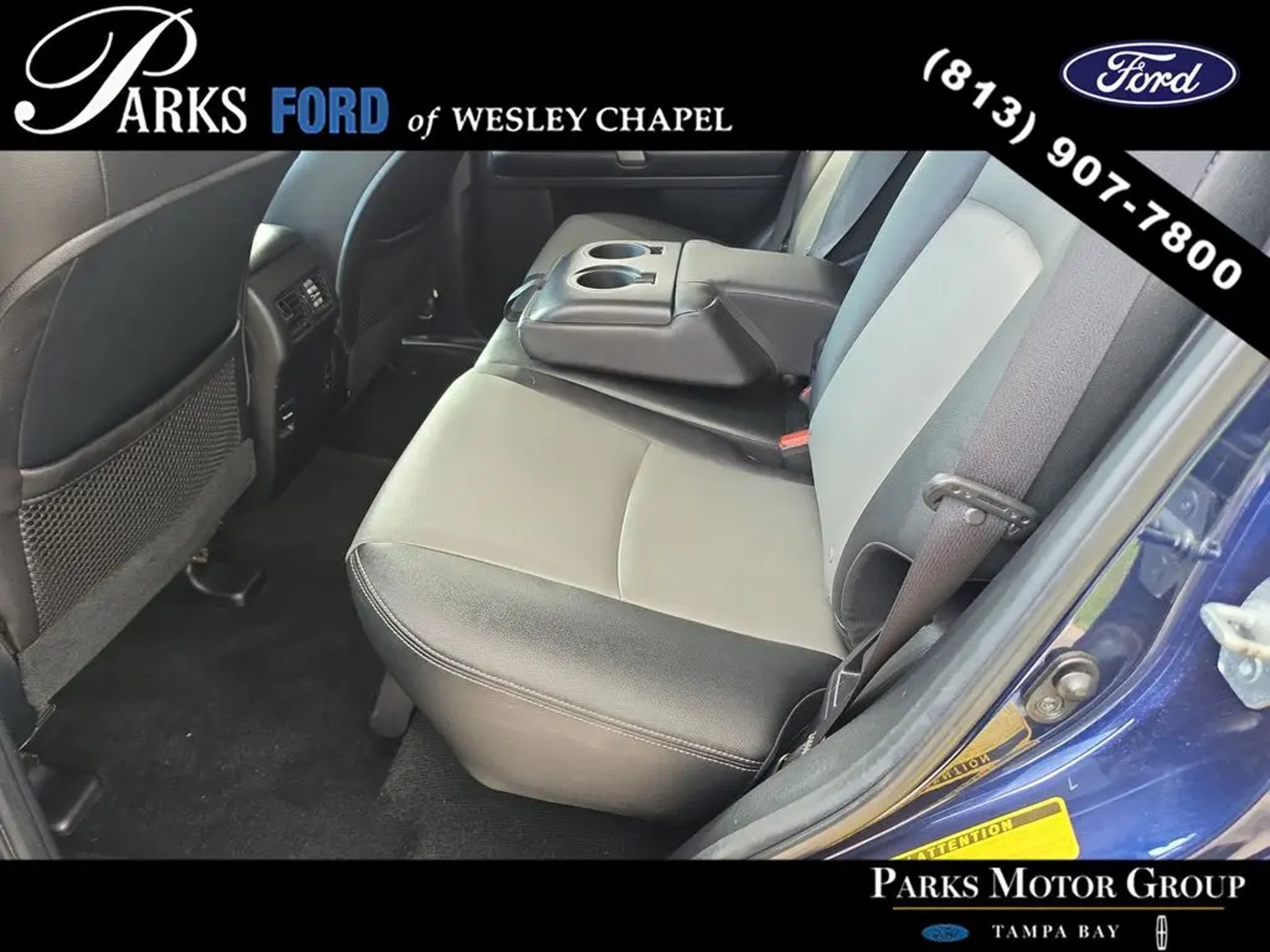
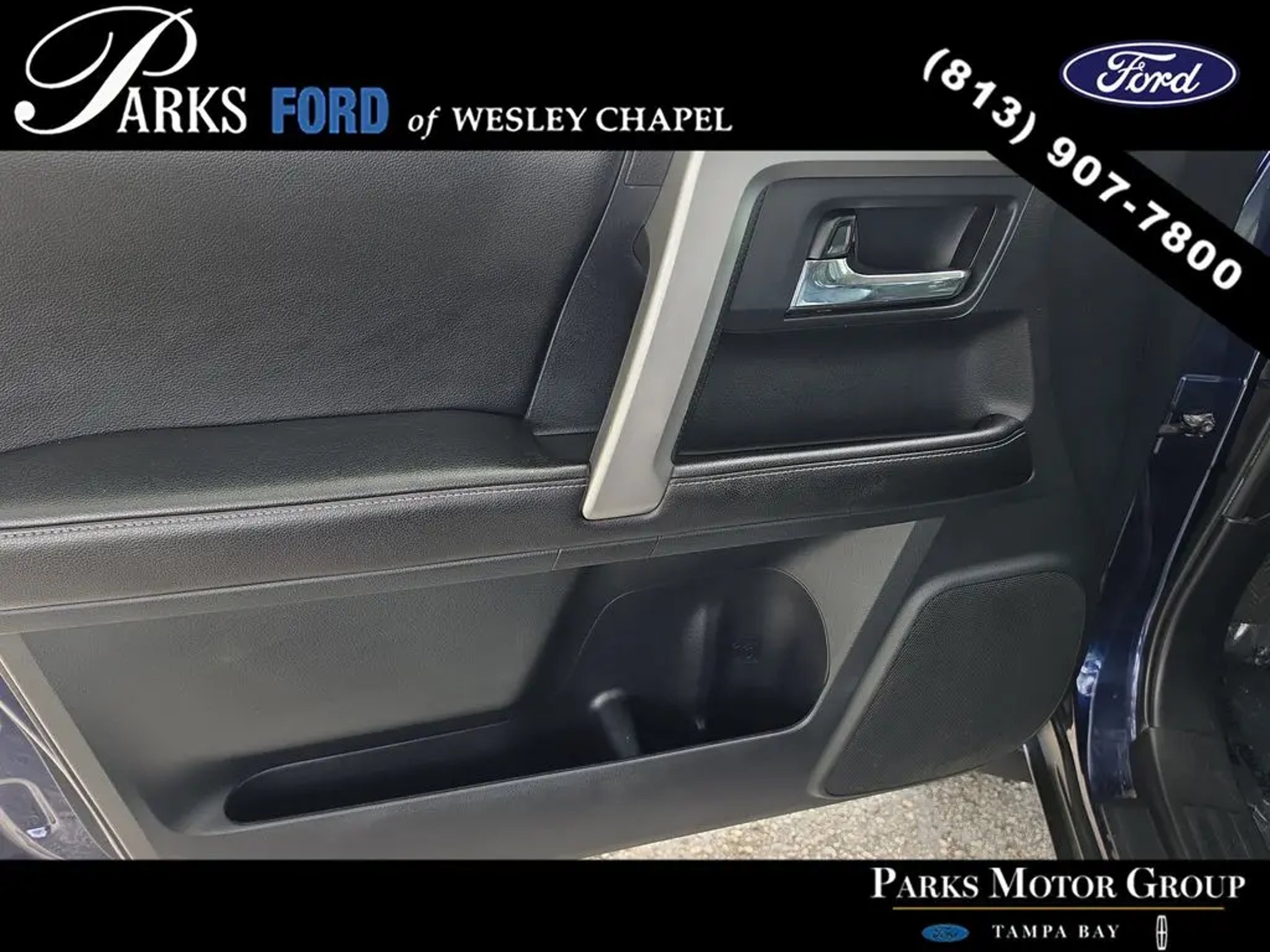
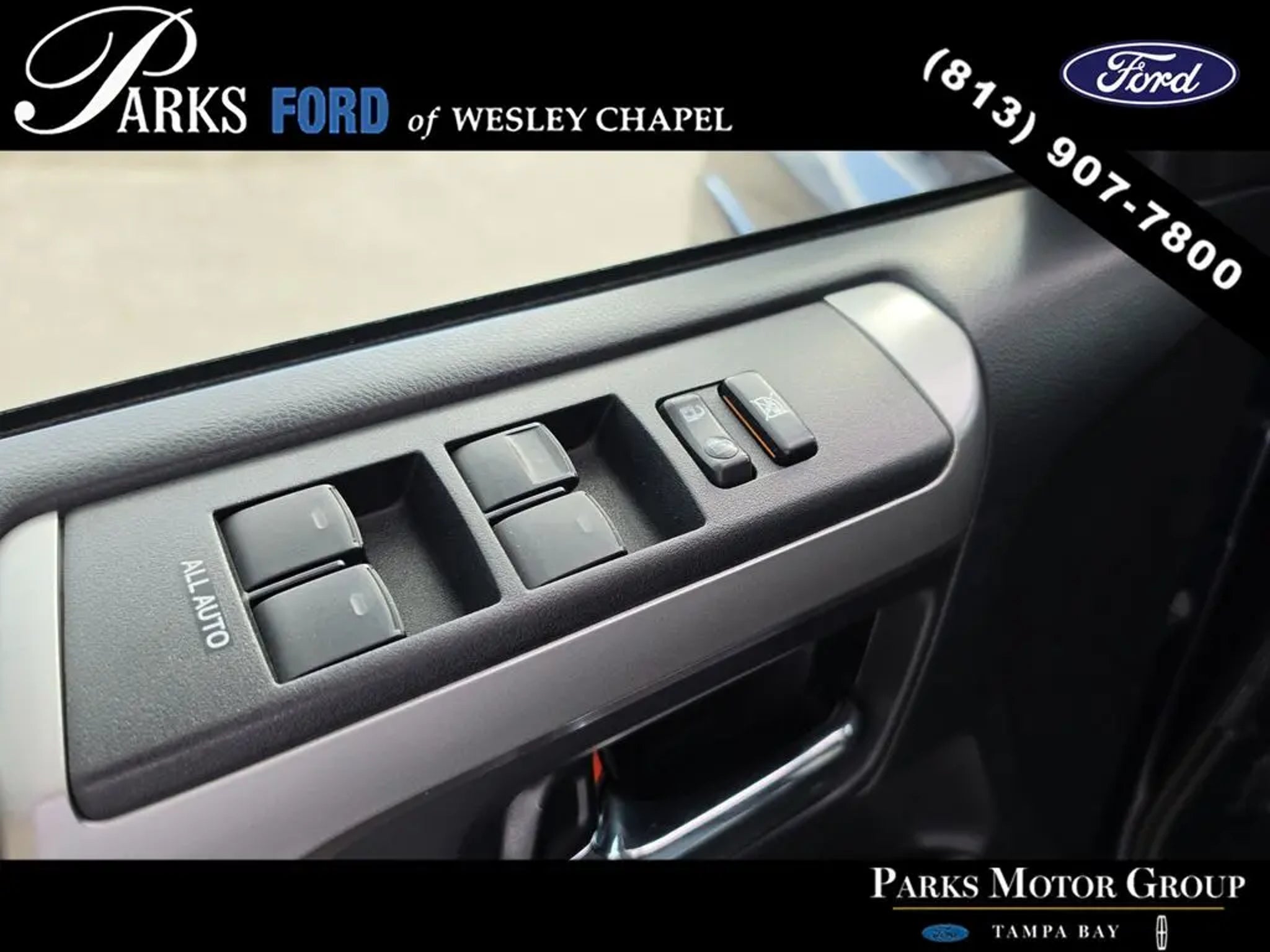
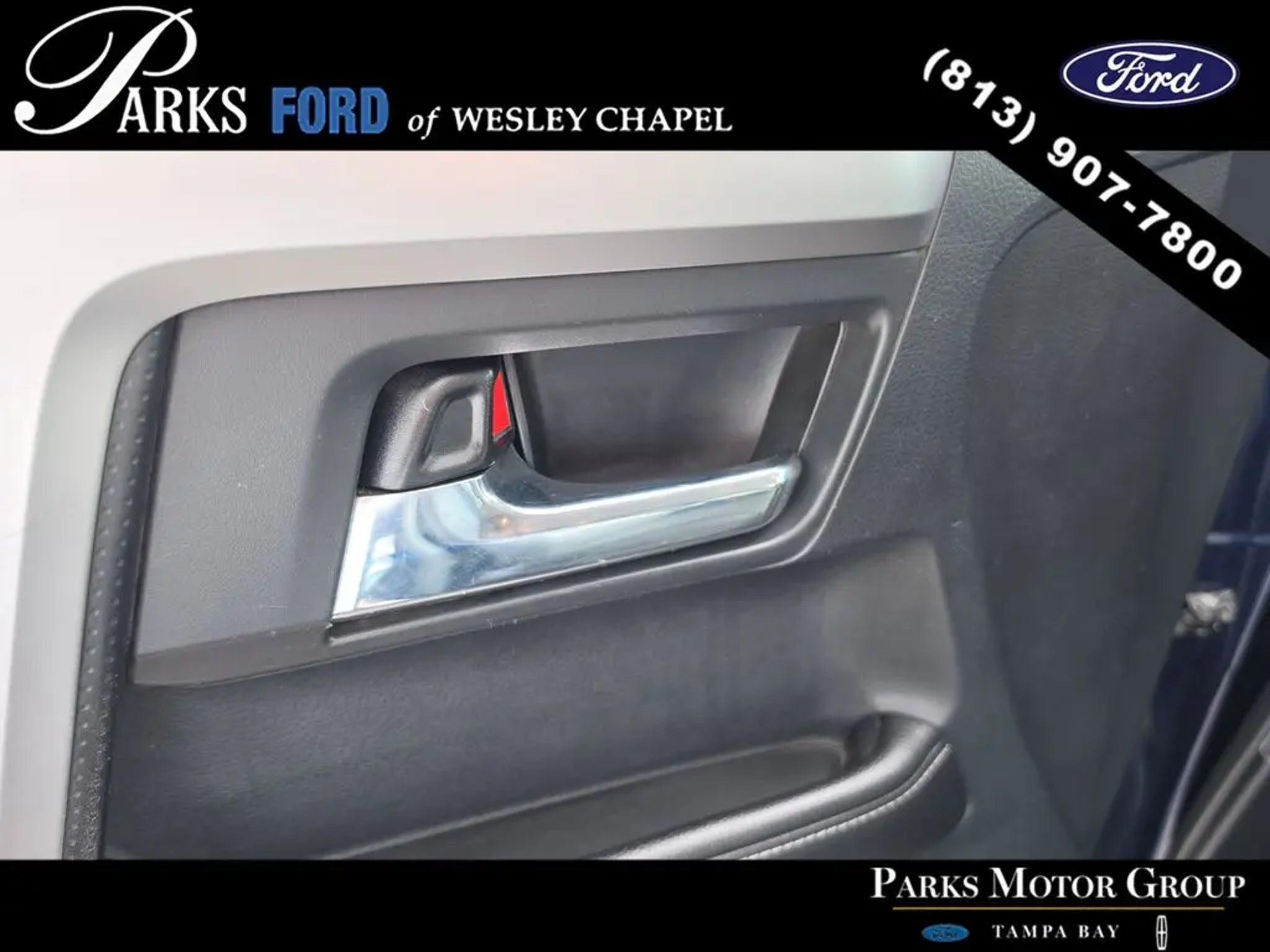
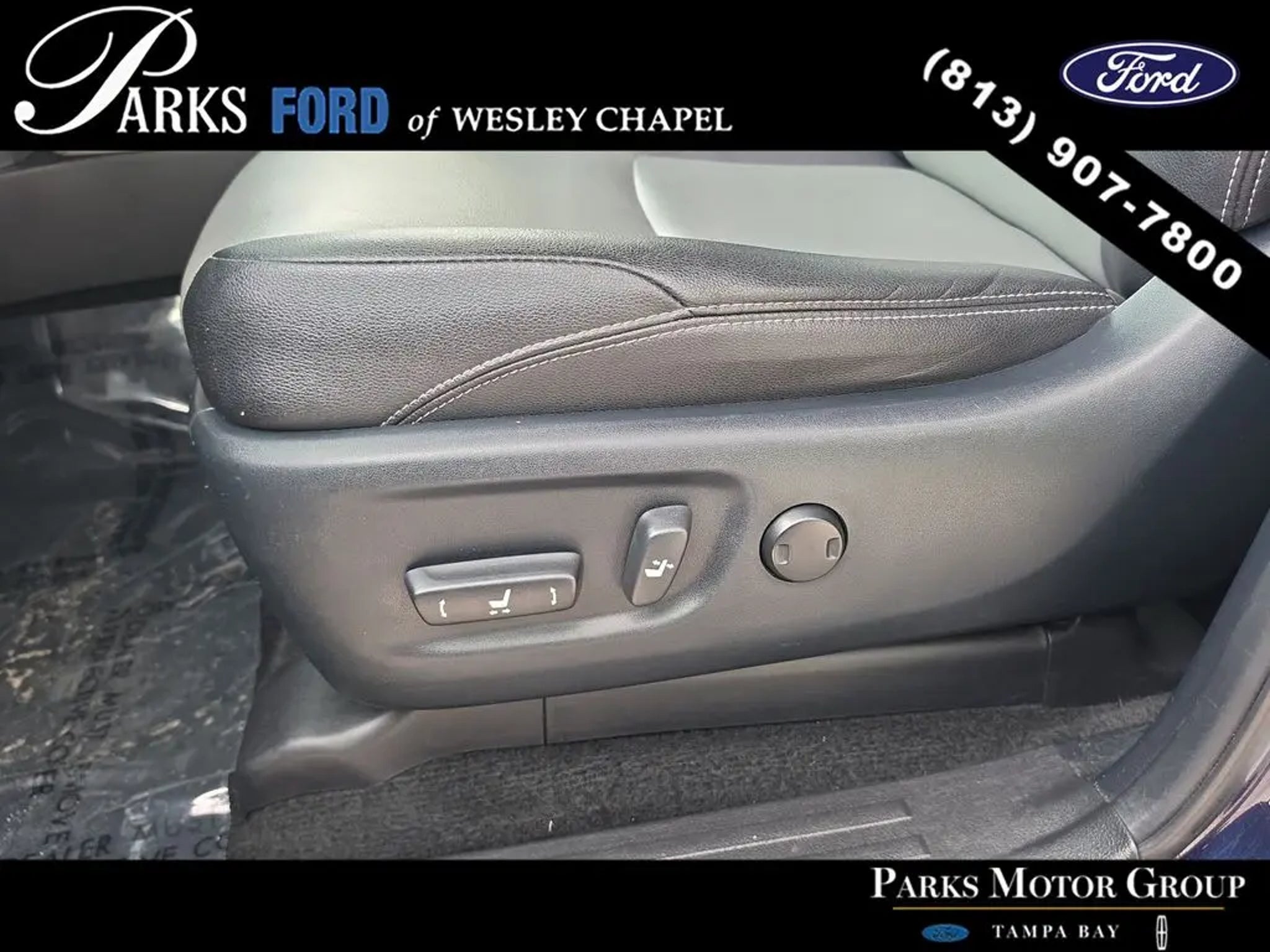
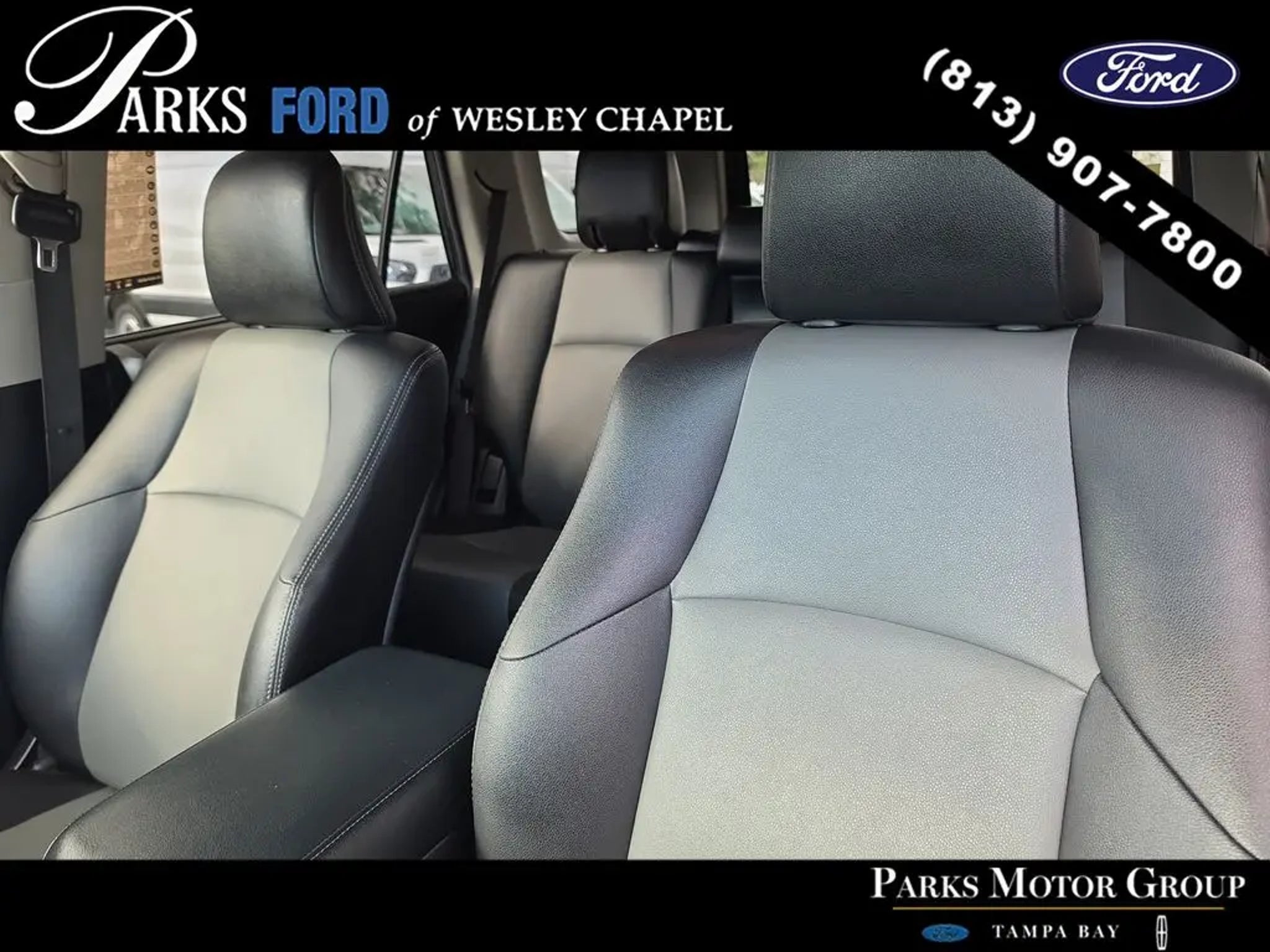
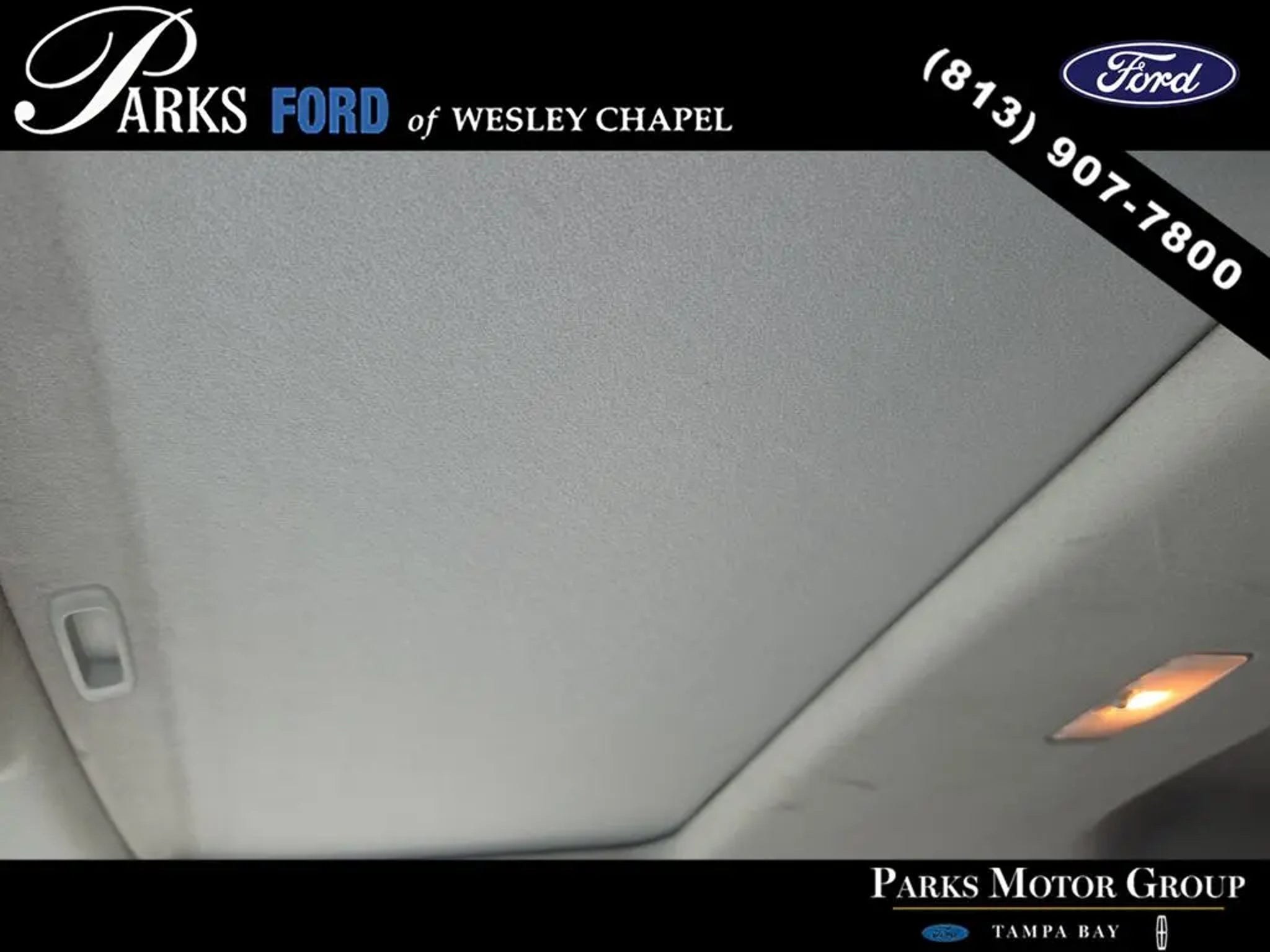
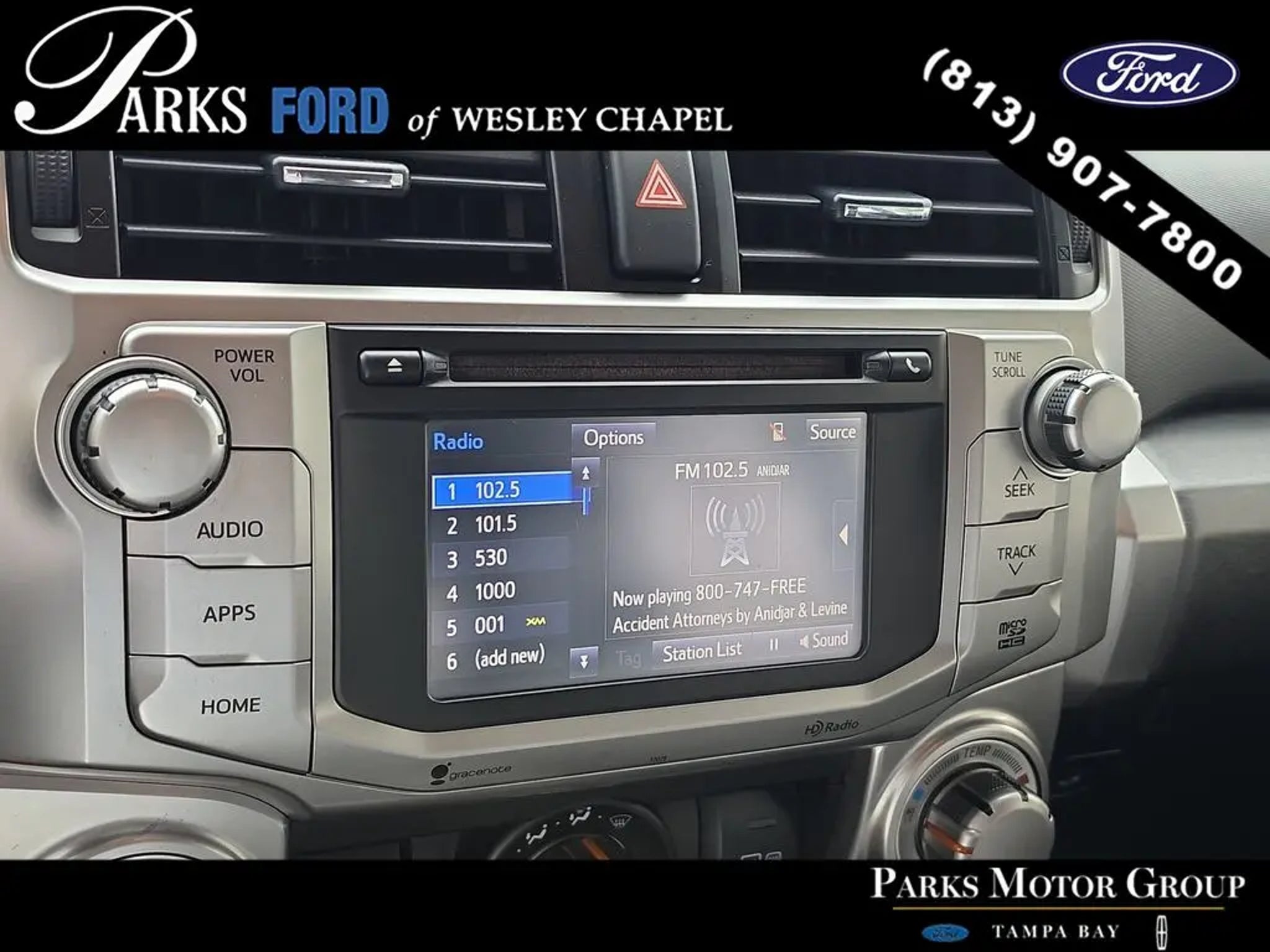
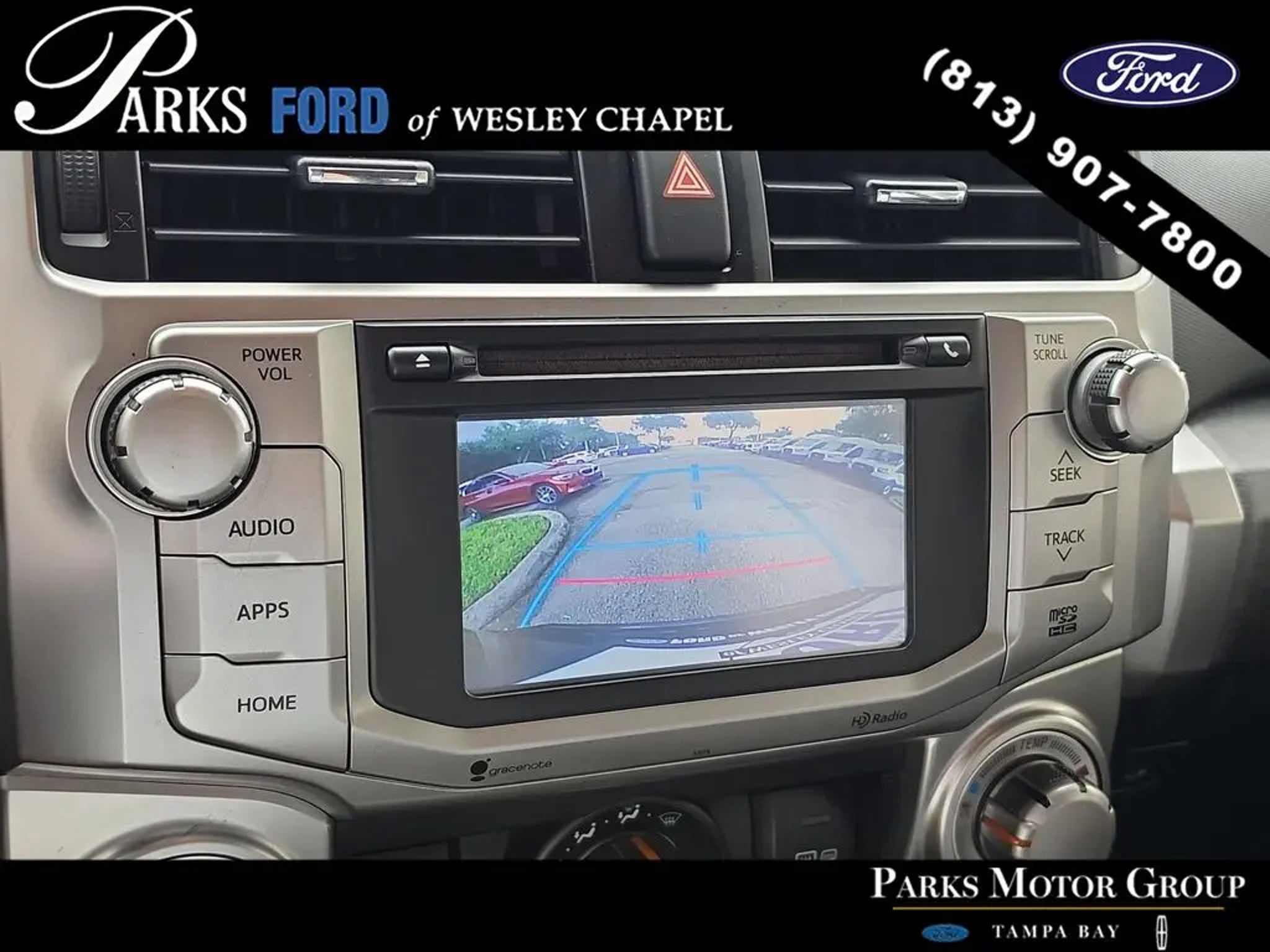
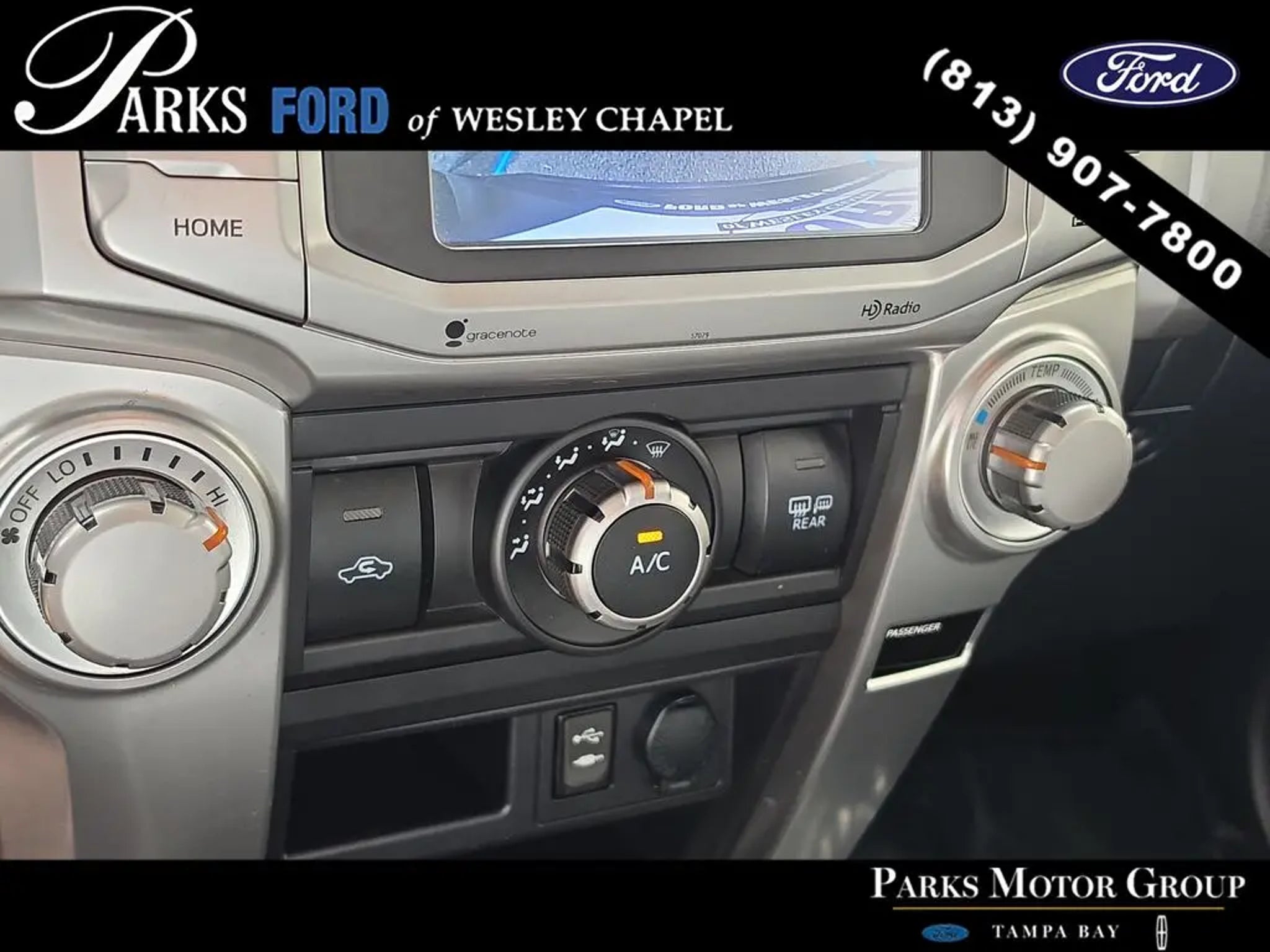
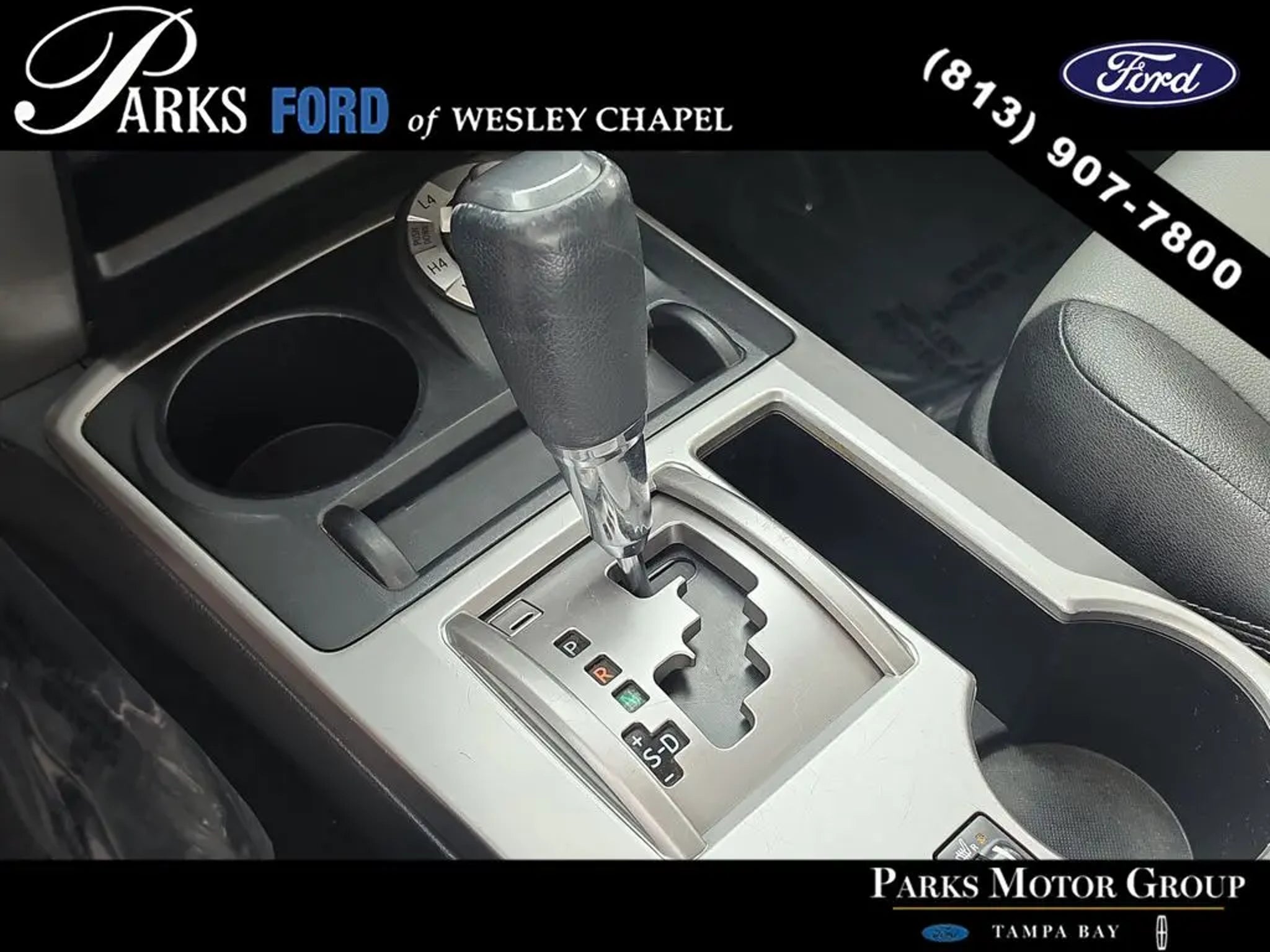
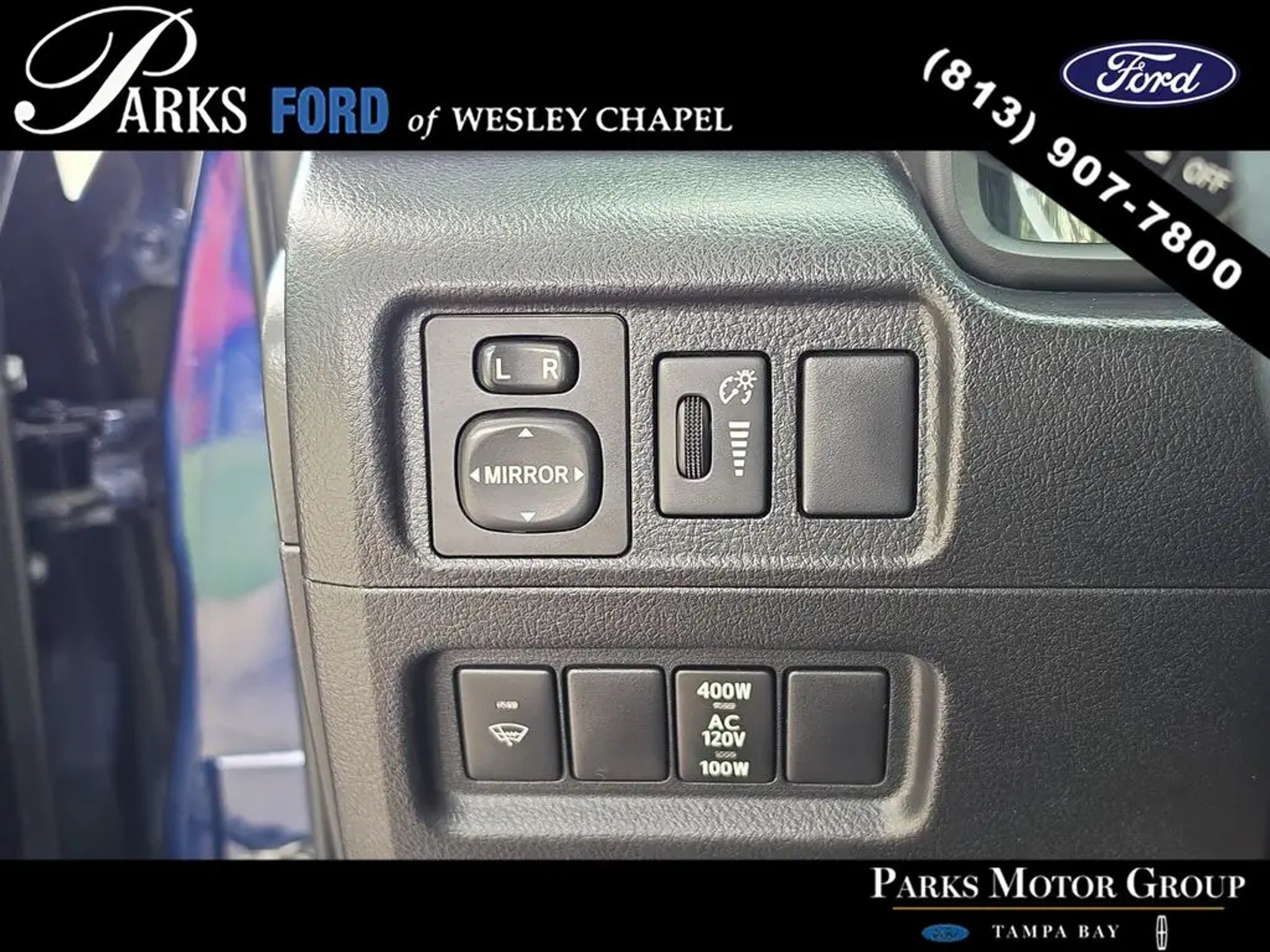
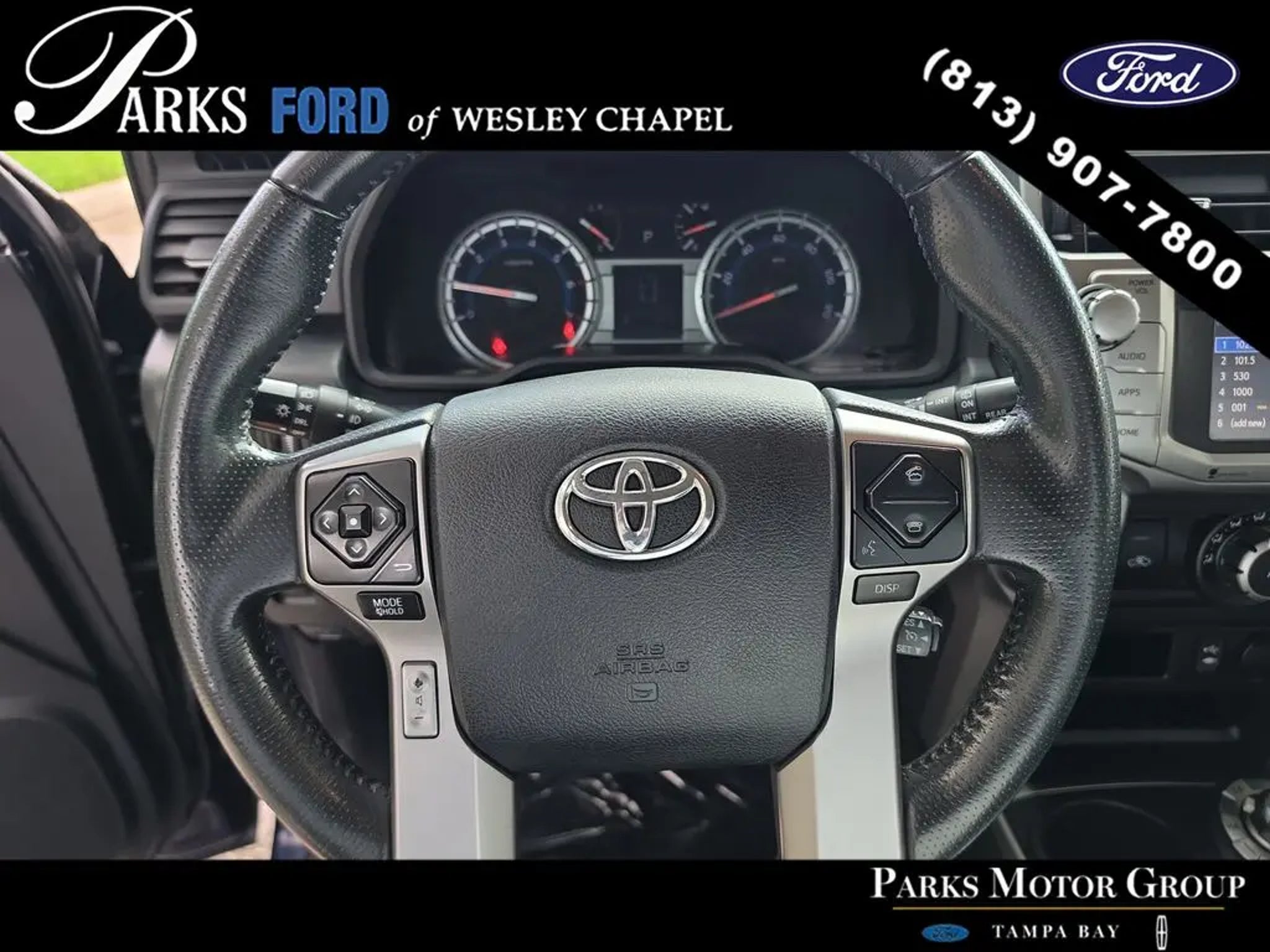
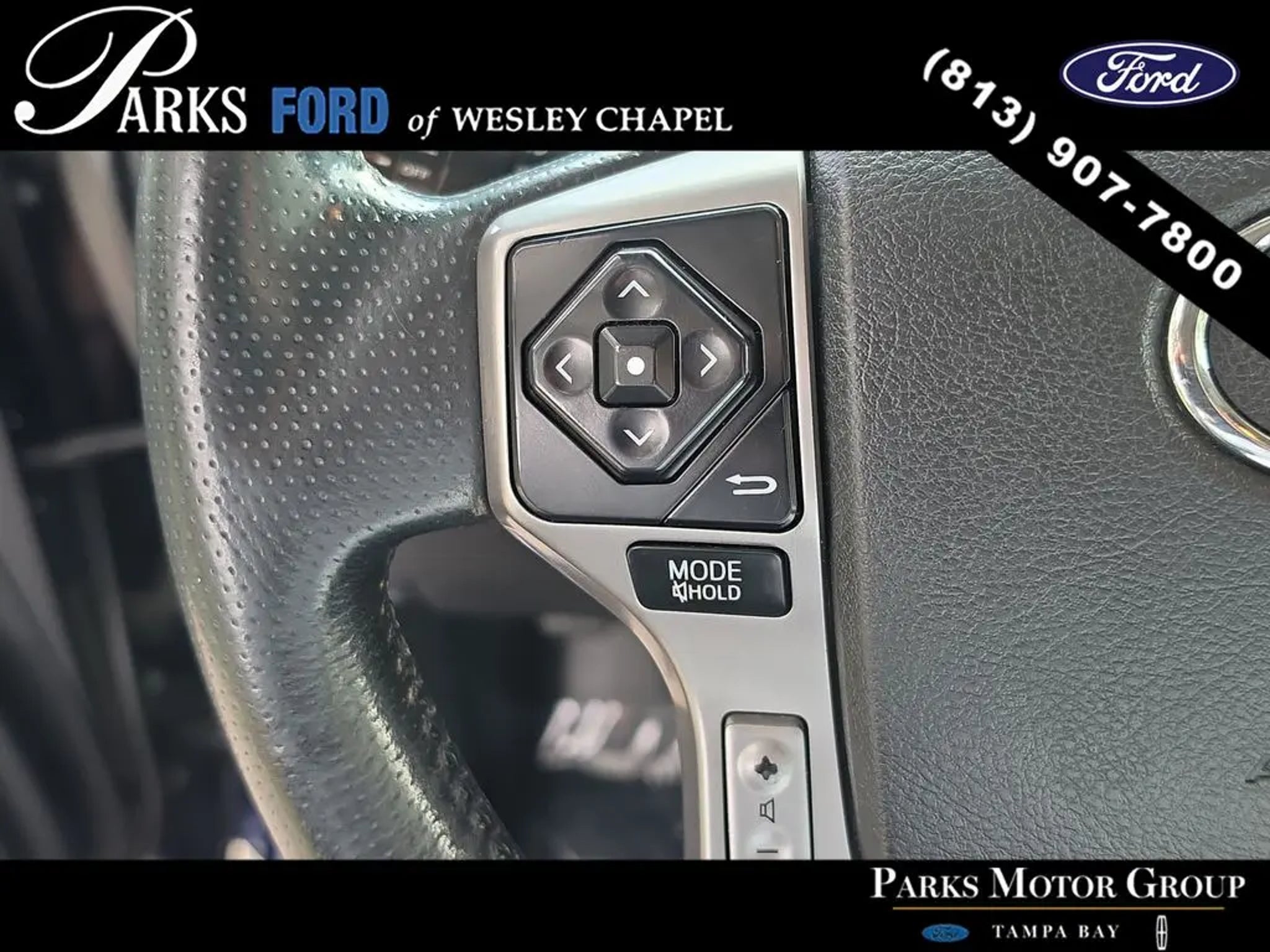
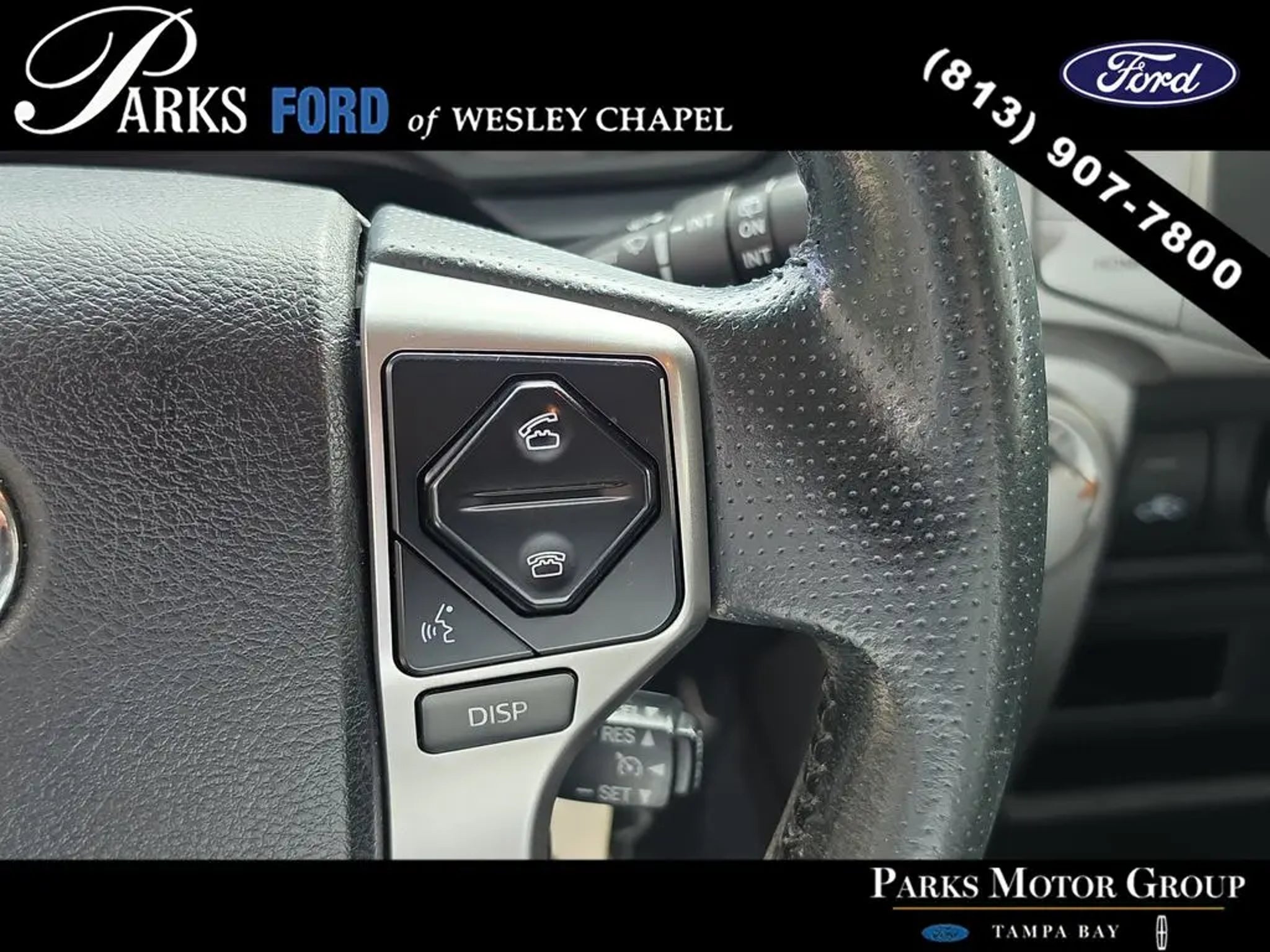
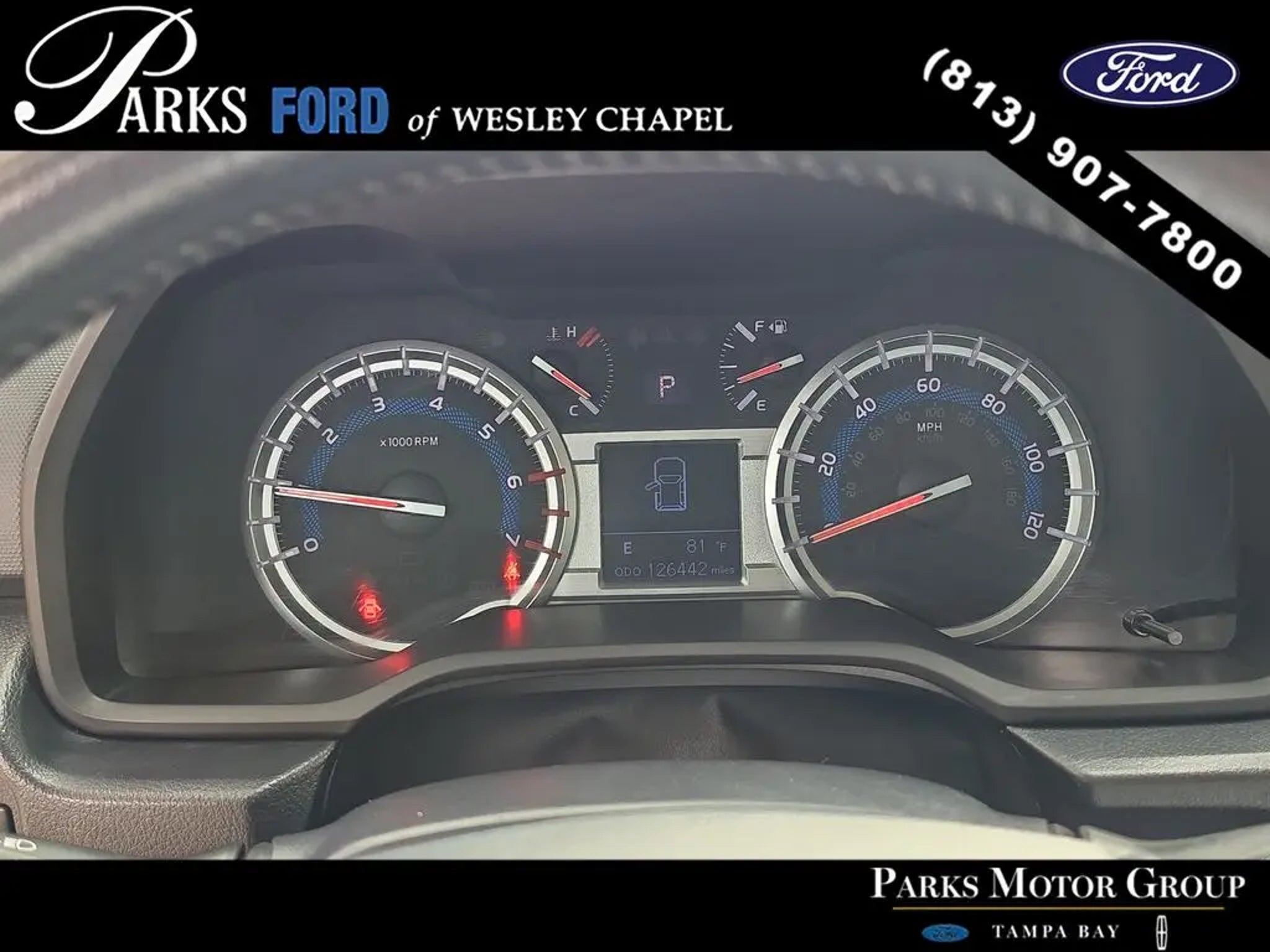
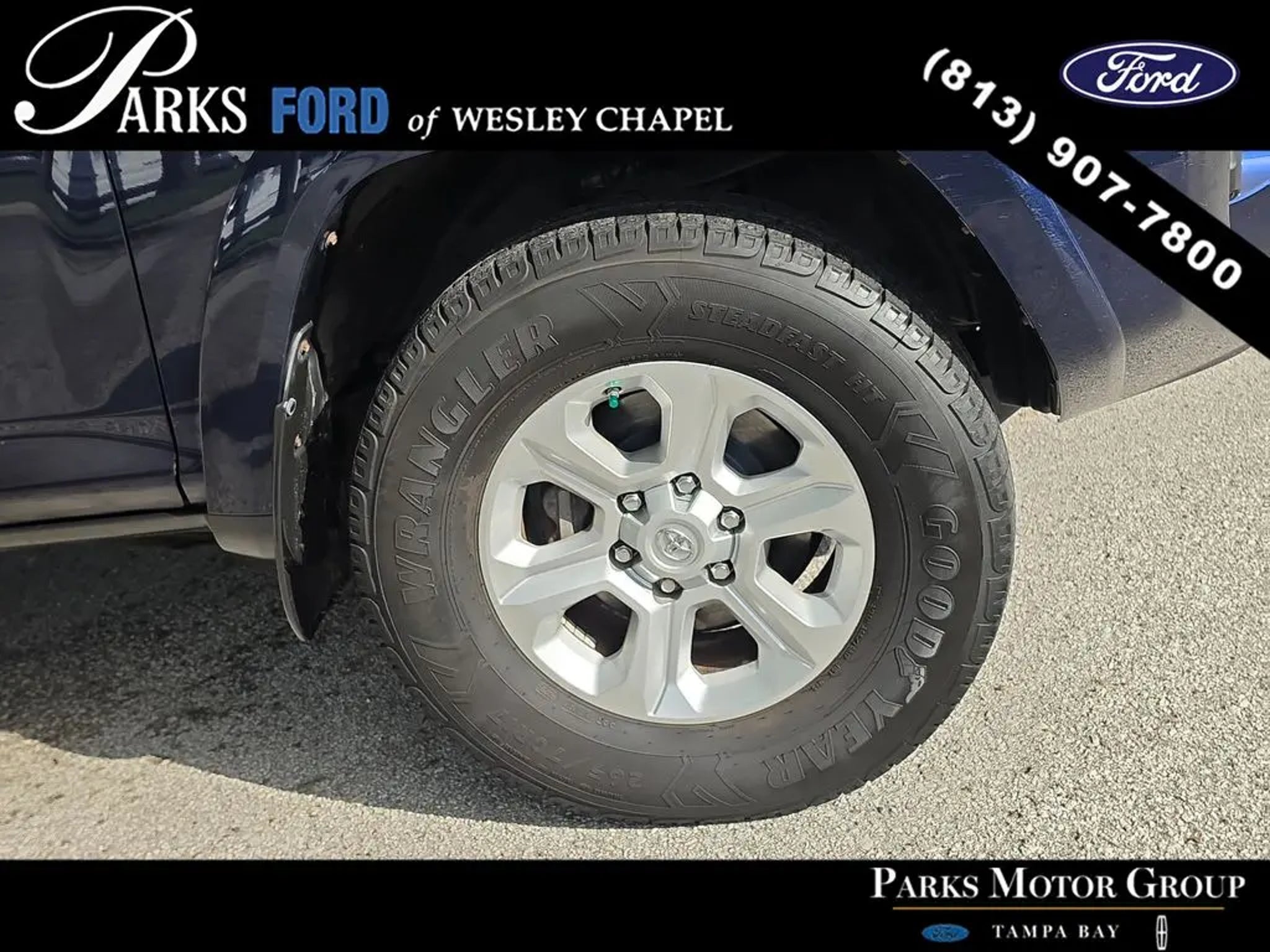
Traditional body-on-frame SUVs have become increasingly uncommon, which is exactly why this 2015 Toyota 4Runner with 126,328 miles remains appealing. Powered by Toyota's proven 4.0-liter V6 and equipped with four-wheel drive, it delivers the upright visibility, substantial cargo space, low-range capability, and rugged chassis design that many modern crossovers no longer provide. For commuting around Wesley Chapel during the week and outdoor travel near Brooksville on the weekend, the 4Runner is built around versatility rather than trends. The 4.0-liter V6 was rated at 270 horsepower and 278 lb-ft of torque when new and is paired with a five-speed automatic transmission. Its power delivery is straightforward and well suited to highway travel, towing, and low-speed operation on uneven surfaces. Four-wheel-drive 4Runner models include a dual-range transfer case, giving the driver access to low gearing when traction or terrain requires more control. Toyota's A-TRAC system can help redirect engine torque toward wheels with available grip on loose or uneven surfaces. A body-on-frame chassis separates the 4Runner from most midsize SUVs of its era. The construction is well suited to rough-road use and towing, while substantial ground clearance, skid protection, hill-start assist, and hill-descent capability on four-wheel-drive models add confidence away from pavement. Properly equipped, the 2015 4Runner was rated to tow up to 4,700 pounds, making it useful for suitable recreational trailers and outdoor equipment. Daily usability is equally important. The tall roof and boxy cargo area make it easier to carry bulky items than many more dramatically styled crossovers. The second-row seat folds and reclines, allowing the cabin to shift between passenger space and cargo duty as needed. A power rear liftgate window is one of the 4Runner's most distinctive practical features, allowing quick access to the cargo area or added ventilation without opening the entire rear hatch. Toyota equipped the 4Runner with a rearview camera, Bluetooth phone and audio connectivity, touchscreen audio controls, USB and auxiliary inputs, cruise control, power accessories, rear privacy glass, roof rails, air conditioning with second-row vents, and a leather-wrapped tilt-and-telescoping steering wheel across commonly equipped versions. Because the exact trim is not identified in the report, higher-trim features are intentionally not being claimed here. Standard safety equipment includes antilock four-wheel disc brakes, stability control, traction control, multiple airbags, front knee airbags, active front head restraints, a tire-pressure monitoring system, and the traction-management functions integrated into the four-wheel-drive system. The high seating position also provides the commanding outward view many SUV buyers prefer in Tampa traffic. Because this 4Runner is older than model year 2017, it does not qualify for Ford Blue, Gold, or EV certification under the automatic certification rules. No certification inspection, certification warranty, roadside-assistance benefit, or certification reward-point language is applied. This is the kind of SUV buyers seek when they value a durable layout, usable cargo room, genuine four-wheel-drive hardware, and simple mechanical capability. Whether it is handling family schedules around New Tampa, highway miles across Tampa Bay, or an unpaved route outside the city, this 4Runner offers a practical combination of everyday usability and traditional SUV toughness.