265 cubic-inch V8 engine, two-speed Powerglide automatic transmission, independent front and semi-elliptic leaf spring rear suspension with live rear axle, power steering, four-wheel power-assisted brakes, rear-wheel-drive; Wheelbase: 115-inches
• Recipient of a body-off-the-frame restoration
• Power steering, power brakes, factory air-conditioning
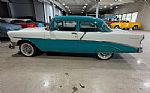
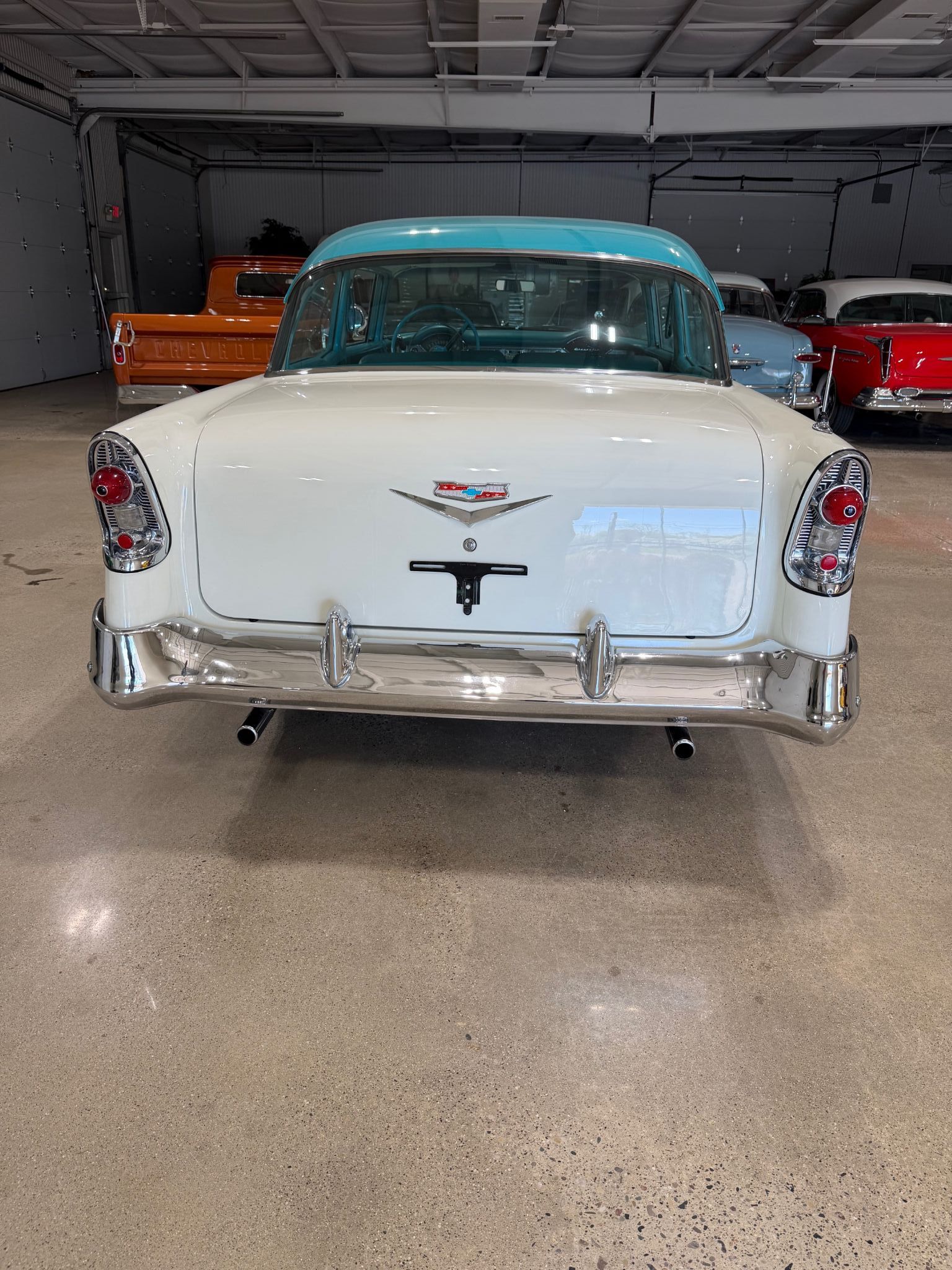
• Attractive India Ivory and Tropical Turquoise
The Chevrolet 210 made its automotive debut in the year 1953 and would see a short life span, only lasting until 1957. During that period, the car received two different generation body styles with the first generation only lasting for two years and the second lasting for three. Even though the Chevrolet 210 had a short period of production, it was still able to make a lasting impact on the American culture, best known for being part of Harrison Ford’s early movie career, as the lead car in “American Graffiti.” With the help of the hot rodding in the movie and the newly established National Hot Rod Association (NHRA) in 1951, the trend was starting to pick up more traction, making the Chevrolet 210s and Bel Airs popular hot-rodding machines and true classics of the ‘50s era of motoring.
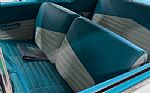
Built at the Oakland, California plant, this 1956 Chevrolet 210 Delray Club Coupe was finished in paint code 754 India Ivory and Tropical Turquoise over a code 569 Turquoise and Ivory vinyl interior, per its trim tag. The recipient of a body-off-the-frame restoration, this example’s paint presents quite well and reminds of the simpler days of motoring.
Factory options on this 210 include power steering, power brakes, air-conditioning, and tinted glass. Other features include a driver’s side spotlight, a modern period look Chevy stereo, and small wire wheel covers wrapped in classic white wall tires.
Equipped with a 265 cubic-inch V8 engine and two-speed Powerglide automatic transmission, this lovely Delray Club Coupe is the epitome of ‘50s cruising and one that reminds us of the simpler days in motoring history.